
League Normal Games Guide for Better Practice
This League normal games guide explains queues, champion practice, account leveling, and what to consider before paying for normal-game service orders.

In this article6 sections
A ranked loss can make you lock comfort picks for ten games straight. That is exactly where normal queues help. This League normal games guide explains how to use normal games with a clear purpose, whether you are learning a champion, leveling an account, warming up before ranked, or paying for games when time is limited.
Normal games are not ranked with lower stakes. They have their own value: you can test decisions without LP pressure, build repetition on a new pick, and play enough matches to see whether a strategy actually works outside the practice tool.
What League normal games are for
Normal games let you play standard League matches without directly changing your visible ranked rank. Depending on what is available in your region and client, you may see normal Draft Pick, Blind Pick, or rotating alternatives. The core goal stays the same: play a real match against real players without putting your ranked climb on the line.
That does not mean every normal game is relaxed or uncompetitive. Some lobbies are full of players testing off-meta picks. Others are experienced groups playing seriously. Match quality varies, so it helps to define what you want from the session before you queue.
If your goal is mechanics, play a champion you need repetitions on. If your goal is map awareness, use a familiar champion so your lane execution does not take all your attention. If you are trying to level an account, consistency matters more than forcing flashy plays.
Normal queues can also be useful before placements or a return to ranked after a break. A few games can show whether your settings, champion pool, and decision-making feel sharp. They cannot replace ranked experience, but they can stop you from using your first ranked game as a warm-up.
Choose the queue that fits your goal
Draft Pick is better for champion practice
Draft Pick is usually the closest normal-queue version of the ranked experience. You select a role, go through champion select, and need to account for bans, team composition, and counterpicks. That makes it a better place to practice your actual ranked pool.
Use it when you want to learn how a champion works into different lane matchups. You also get useful practice with basic draft decisions, such as picking engage when your team lacks initiation or avoiding an all-AD composition when the enemy can stack armor.
The trade-off is time. Drafts take longer than faster queues, and you may still miss your preferred role. If you only have a short session, you may get less game time than expected.
Blind Pick is useful for faster repetition
Blind Pick can work when you mainly want to get games on a champion and do not need a ranked-style draft. It is often more chaotic. Both teams can select the same champion, lane assignments are less structured, and team compositions may make little sense.
That chaos is not always bad. For a player learning ability ranges, last-hitting patterns, or a basic jungle clear, getting into matches quickly can matter more than clean team comps. Just do not treat the results as a reliable test of how the pick will perform in ranked.
Other modes are for variety, not ranked prep
Limited-time or alternative modes can be fun, and they may help you stay engaged with League. They are less useful for practicing standard laning, wave control, objective setups, and ranked champion matchups. Play them for enjoyment or specific event goals, not as your main ranked preparation.
Set one goal before each game
The fastest way to waste normal games is to queue without a focus. You finish a 35-minute match, win or lose, and still cannot say what improved. Pick one or two measurable goals instead.
For a top laner learning a new champion, that may mean keeping the wave near your tower for the first few levels and checking the minimap before every trade. A jungler might focus on finishing a planned first clear, tracking the opposing jungler after the first reveal, and arriving early for the first major objective. A support can use normal games to practice ward timing and roaming only when the wave state allows it.
Do not stack five goals into one match. Trying to improve farming, trading, vision, jungle tracking, teamfighting, and champion mechanics at once usually leads to autopilot. Repeat the same focus across several games, then review what caused the biggest mistakes.
A quick post-game check is enough. Look at your early deaths, missed waves, objective participation, and the point where the game stopped following your plan. You do not need a full replay review after every normal match. Save deeper VOD review for games that expose a repeated problem.
Reward boxes
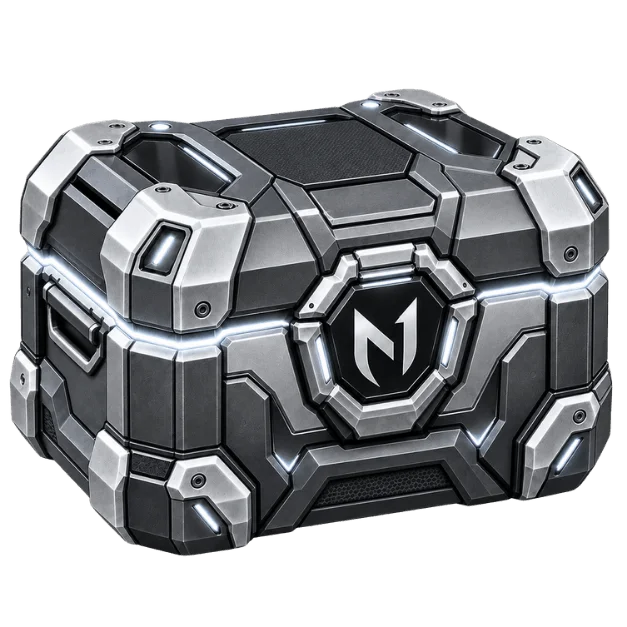
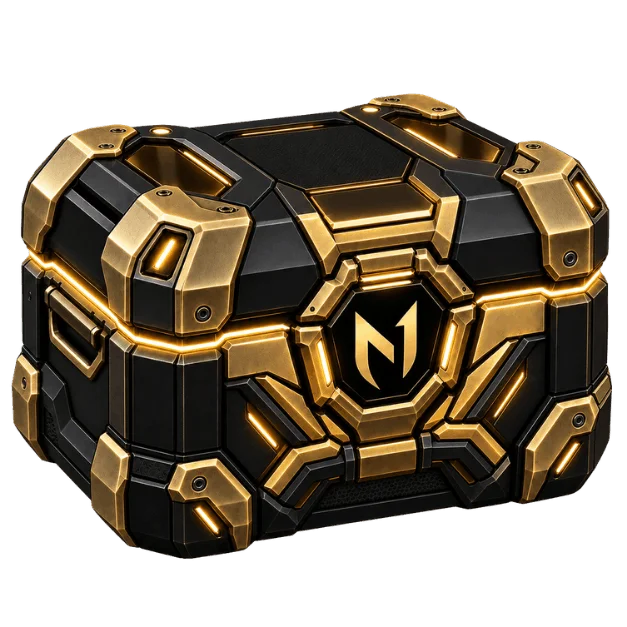
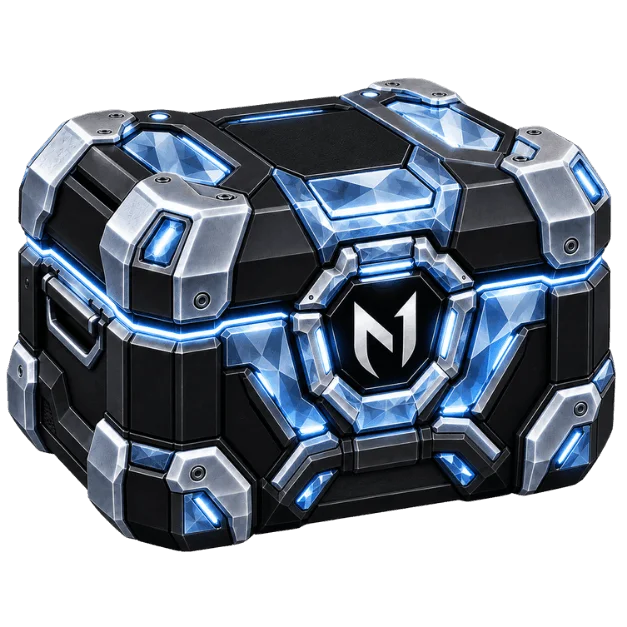
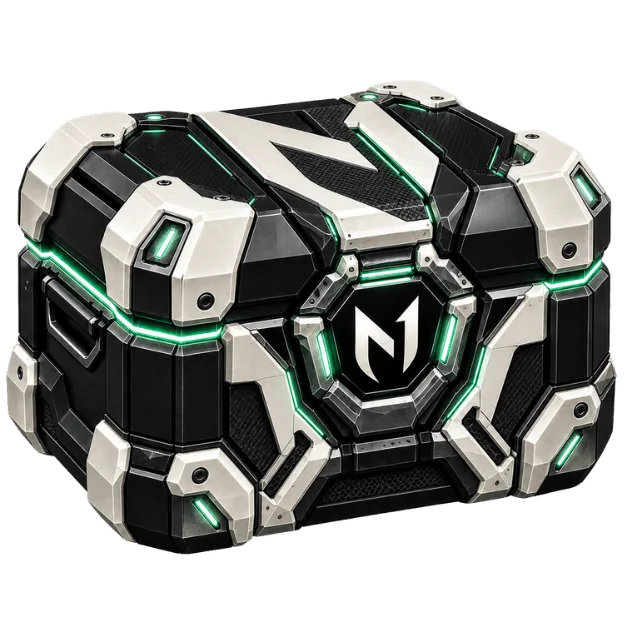
Open a box, win real rewards
Spend N1 Coins to open a box and win coins, checkout discounts, or a free coaching/boost service.
Use normal games to build a real champion pool
A new champion can look easy in a highlight clip and still feel awkward in lane. Normal games give you room to learn the details that decide ranked matches: damage limits, cooldown windows, mana use, bad matchups, and when your champion stops being strongest.
Start with a narrow setup. Use one primary role and two or three champions rather than changing role and champion every game. You need enough repeated situations to recognize patterns. After several games, ask direct questions: Can you survive the difficult lanes? Do you know your first few item decisions? Can you contribute when behind?
Winning lane is not the only test. A champion that gets an early lead but leaves you lost in mid-game may not be ready for ranked. Practice side-lane assignments, objective fights, and vision setups in normal games too.
This is also where coaching can help. A coach can identify whether the issue is your champion mechanics or a larger habit, such as taking poor recalls or moving late to fights. The goal is not to copy every move. It is to leave with a routine you can apply in your next games.
Leveling accounts through normal games
Players often use normal games to level an account before they can enter ranked. This is a straightforward goal, but it is still worth deciding how much of the process you want to play yourself. Some players enjoy using leveling time to test champions. Others simply want an account ready for ranked without spending every free evening on normal queues.
If you play the games yourself, rotate through champions you may later use in ranked and avoid treating every match as a throwaway. You will reach ranked with more useful experience and a clearer pool.
If you consider a normal-games service, check exactly what you are buying. The important details are the number of games, the selected server, whether games are played solo, and how you can follow progress. N1Boost offers configurable League normal games orders, with the total price shown before checkout and progress handled through order chat.
Account handling deserves the same attention as the service itself. On solo orders, N1Boost uses its N1App desktop app so the booster signs in without seeing the customer's login. Login data is encrypted and deleted when the order ends. Offline Chat and VPN options may also be available. These measures address privacy, but they do not remove the account risk involved in boosting.
Know the limits before paying for games
A normal-game order can save time, but it cannot teach you how to play the account's champion pool or make ranked games feel familiar. If your plan is to queue ranked yourself afterward, leave room to play normal games personally. Learn your preferred roles, settings, and a small group of champions before you put LP at stake.
You should also be clear about game rules. Account sharing and boosting can violate Riot Games' terms of service. No boosting method is risk-free. Consider that risk before placing an order, especially on an account you have invested significant time or money into.
For any paid order, read the configuration before paying and use the chat if something is unclear. If an order has not started, a full refund may be available. Once it has started, cancellation and any partial refund depend on completed progress under the Refund Policy. Support is available through live chat if you need help with an active order.
Normal games work best when they have a job to do. Use them to learn one champion, repair one weak habit, warm up for ranked, or move an account toward eligibility. Give each session a target, and even the messy matches start producing useful practice.
Ready to climb?
Pick a service, set your options and get matched with a verified booster. Secure checkout and 24/7 support.
- VPN and offline mode
- Verified boosters
- 24/7 support