
How Gaming Booster Jobs Work for Skilled Players
Gaming booster jobs reward elite rank knowledge, reliable communication, and clean execution. Learn how verified boosters build steady work and trust daily.
In this article7 sections
A high rank gets attention. Consistent, professional results get you paid. Gaming booster jobs are built for players who can do more than post a peak rank screenshot: they need to win reliably, protect customer privacy, communicate clearly, and complete orders without creating unnecessary risk.
For skilled players, boosting can turn proven competitive ability into flexible work across titles such as Valorant, League of Legends, Counter-Strike 2, Apex Legends, Teamfight Tactics, and Marvel Rivals. But the work is not simply queueing into ranked games. It is a performance service where every order has a target, a timeline, and a customer expecting visible progress.
What Gaming Booster Jobs Actually Involve
A gaming booster is hired to help a customer reach a defined outcome in a competitive game. Depending on the game and the order, that may mean completing placements, gaining a set number of wins, reaching a target rank, increasing Elo or MMR, progressing through Premier, or playing alongside the customer in duo queue.
The strongest boosters understand that customers are purchasing time, expertise, and consistency. Someone stuck in Gold may have the mechanics to improve but not enough free evenings to grind through uneven matchmaking. Another customer may want a coach to identify why they are losing lane, wasting utility, or taking low-value fights. A booster or coach solves a specific progression problem, not a vague desire to "get better."
There are two common fulfillment models. In account-based work, the booster completes progression on the customer's account under agreed handling rules. In duo carry services, the booster queues with the customer and helps them climb through direct in-game partnership. Coaching is different again: the player keeps control while receiving live sessions, VOD reviews, practice plans, and matchup or map-specific feedback.
Each option requires a different skill set. Account progression emphasizes efficient execution and discretion. Duo queue work requires patience, communication, and the ability to adapt to a customer's skill level. Coaching demands that you can explain decisions clearly rather than relying only on personal mechanics.
The Skills That Separate a Booster From a Good Player
Rank is the first filter, not the whole qualification. A marketplace needs proof that a booster can deliver the service they accept. That typically means sustained performance at a high level, current knowledge of patches and metas, a reliable role or champion pool, and enough game sense to win outside ideal conditions.
Consistency matters more than one exceptional match. Can you stabilize a losing early game? Do you know when a low-risk objective is worth more than a highlight play? Can you adjust when the enemy bans your comfort pick or when teammates refuse to follow a plan? Those answers determine whether you can maintain a healthy win rate over a real order.
Professional habits matter just as much. Customers do not want silence after they place an order, avoidable delays, or a booster who changes settings and leaves the account in disarray. Strong operators follow instructions, provide accurate updates, respect privacy, and flag problems early. A clean handoff is part of the result.
Communication also protects your earnings. If an order has account-specific requirements, schedule restrictions, a preferred role, or a requested playstyle, confirm the details before starting. Do not promise an exact finish time when matchmaking conditions, queue times, or patch changes make that impossible. Clear expectations prevent disputes better than overconfident promises.
How Pay Usually Works
Gaming booster jobs are usually paid per completed order or per defined portion of an order, not as a fixed hourly wage. Your earnings depend on the game, starting rank, desired target, service type, current demand, order difficulty, and how quickly you can complete work without lowering quality.
Harder brackets generally pay more because the player pool is smaller and each mistake costs more. A high-level Valorant or League of Legends climb can require sharper mechanics, deeper matchup knowledge, and more careful decision-making than early-rank progression. Less popular regions, off-peak schedules, or unusual custom requirements can also affect available work.
It is tempting to judge an order only by the payout. That is a mistake. Calculate the likely time commitment, queue times, risk of a difficult starting MMR, and whether the requested role fits your strongest performance. Taking every order can damage both your win rate and your reputation. Taking the right orders builds repeatable income.
Reliable marketplaces use clear order assignment and completion rules so boosters know what success looks like. Payments, eligibility, and withdrawal conditions vary by platform, so review them before accepting work. Keep your own records of completed orders, communication, and time spent. Treat it like performance-based freelance work, because that is what it is.
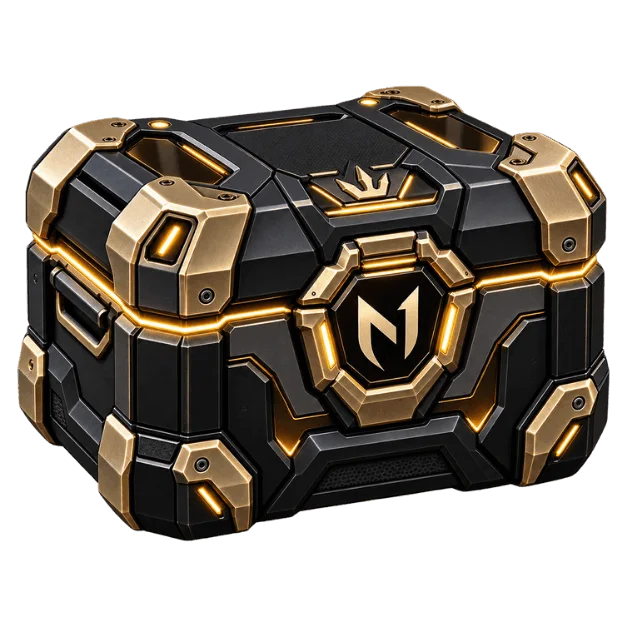
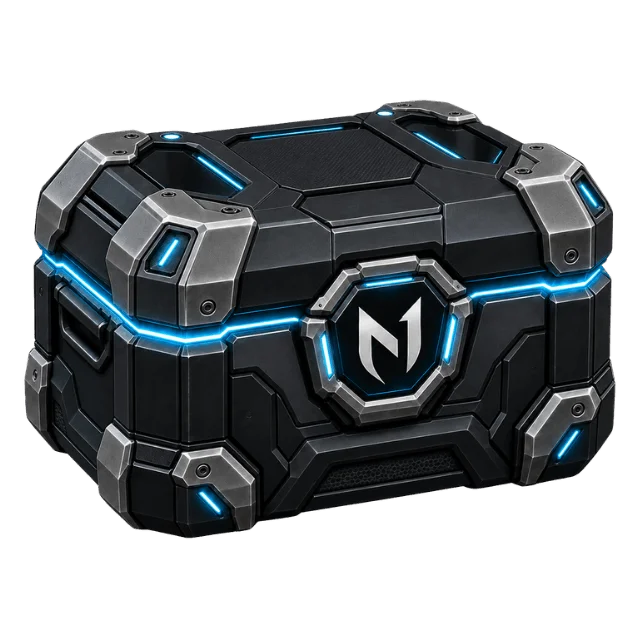
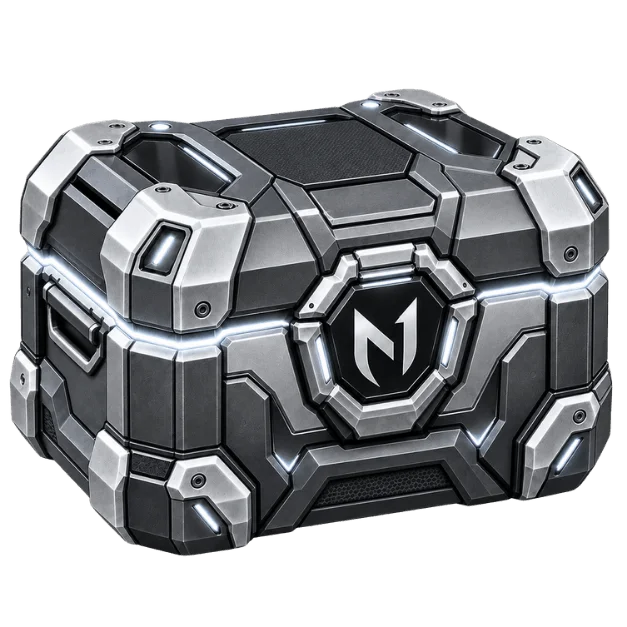
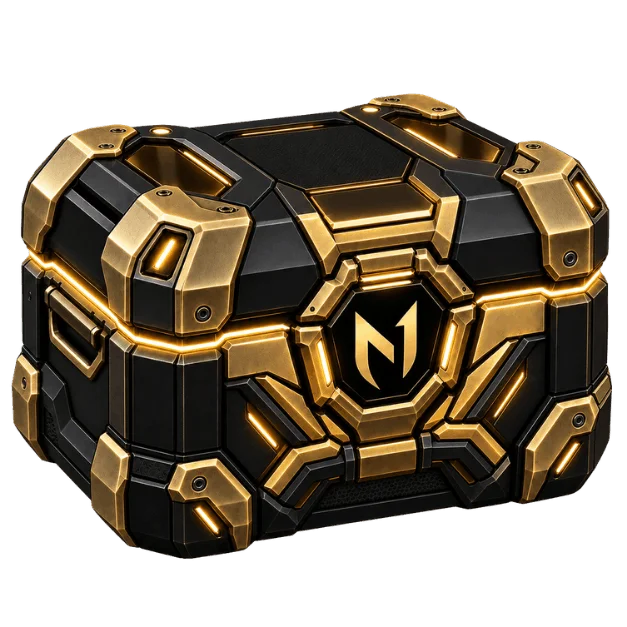
Reward boxes
Open a box, win real rewards
Spend N1 Coins to open a box and win coins, checkout discounts, or a free coaching/boost service.
How to Qualify for Booster Work
Start by being honest about where you are strongest. A Grandmaster support player who understands vision control, rotations, and lane states should not market themselves as an elite carry specialist just because carry orders look attractive. Specialization makes you easier to match and lets you produce more reliable outcomes.
Most legitimate services will want evidence of competitive experience. That can include current and previous ranks, region, preferred roles, champion or agent pools, game-specific statistics, and availability. Some operators may also evaluate performance through trial work, interviews, or verification steps. The goal is not to create friction. It is to make sure customers are matched with players who can fulfill the order.
Build a profile around outcomes, not hype. State the ranks you can handle comfortably, the services you are prepared to provide, and the hours you can work consistently. If you coach, explain what a customer receives: live analysis, VOD feedback, Discord Q&A, a practice routine, or a climb plan. Specific offers are easier to sell and easier to deliver.
N1Boost-style managed marketplaces can be especially useful for boosters who prefer assigned work over hunting for individual customers. The platform handles the customer transaction and order flow while verified talent focuses on fulfillment. That structure does not remove your responsibility, but it can reduce the time spent on payment collection, sales messages, and basic support questions.
Protect Your Reputation and Your Account
The fastest way to lose access to good orders is to create avoidable problems. Do not use cheats, scripts, account recovery tricks, or any method that compromises competitive integrity or customer security. Do not share credentials outside the approved fulfillment process. Never reuse a customer's personal information, payment information, or account access after an order is complete.
Game publishers have their own terms and enforcement policies, and some services, particularly account-based boosting, may carry account-action risk. Be direct about that reality. Customers should understand the service format and make informed decisions. If you are uncomfortable with account-based work, duo queue and coaching provide alternatives that keep the customer actively involved.
Security discipline should be routine. Use strong unique passwords for your own work accounts, enable available security protections, keep devices clean, and avoid logging into customer accounts on shared computers or public networks. Privacy is not an extra feature in this business. It is a core part of professional fulfillment.
Reputation also comes from gameplay behavior. Avoid toxic chat, intentional throws, rage quits, and reckless experimentation during paid work. A booster is being trusted with a customer's progression and account standing. Play with the same discipline you would bring to a serious tournament match.
Choosing Between Boosting, Duo Queue, and Coaching
The best service depends on both your strengths and the customer's goal. Account boosting may suit highly efficient solo players who can maintain performance across many games. Duo queue work is better for boosters who can lead, communicate, and make a customer's matches feel productive rather than frustrating.
Coaching can be the strongest long-term lane for players who enjoy teaching. It often requires more preparation, but it also creates more durable value. A customer who learns how to manage wave states, crosshair placement, cooldown tracking, or objective timing may keep improving long after the session ends.
Many skilled players combine these paths. They take progression work when they have time for focused grinding, offer duo services to customers who want to play, and coach when a player needs knowledge rather than a completed rank target. The right mix depends on your rank, schedule, game expertise, and comfort with each service format.
Build Work You Can Sustain
Gaming booster jobs reward performance, but burnout is real. Long sessions, tilted queues, and trying to play every title can quickly reduce the quality that got you hired. Set availability you can actually honor, take breaks between demanding orders, and keep your game knowledge current without turning every hour online into paid work.
The boosters who last are not always the loudest or the highest peak rank. They are the players who finish orders cleanly, communicate like professionals, and keep delivering under pressure. Build that reputation one completed order at a time, and your skill can become more than a rank badge - it can become reliable competitive work.
Ready to climb?
Pick a service, set your options and get matched with a verified booster. Secure checkout and 24/7 support.
- VPN and offline mode
- Verified boosters
- 24/7 support