
Gaming Account Marketplace Comparison Checklist
Use this gaming account marketplace comparison to check listings, seller details, recovery risks, pricing, and support before you place an online order.
In this article6 sections
A cheap level 30 League account or a high-rank Valorant profile can look like a simple purchase. The hard part is knowing what sits behind the listing. A useful gaming account marketplace comparison is not about finding the lowest number on the page. It is about checking whether the account matches your goal, what information is actually disclosed, and what happens if there is a problem after payment.
Game account purchases carry real limits. Buying, selling, or transferring accounts is against the terms of service for many games. There is no risk-free way to buy an account, even when a marketplace has clear listings and support. Account enforcement, recovery attempts, and changes to account access can still happen. Treat the purchase as a decision with trade-offs, not a shortcut with no downside.
Start With the Account You Actually Need
Players often compare marketplaces before they have decided what they are buying for. That makes every listing look attractive. Start with the game mode and outcome you need instead.
For League of Legends, that may mean checking the current rank, server, level, champion pool, skins, Blue Essence, and whether the account is ranked-ready. For Valorant, rank, region, agent access, inventory, and competitive eligibility may matter more. In CS2, players may care about Premier rating, competitive access, medals, inventory, or FACEIT history. Each game has different details that can change whether an account is useful to you.
Do not pay for extras you will not use. A large cosmetic inventory can add value if you care about skins, but it does not help if your only goal is to queue ranked on the right server. On the other hand, a low-priced account can become poor value if it lacks the level, unlocks, region, or game access you expected.
Read the listing as if you were checking a loadout before a ranked match. What is included should be specific. What is not stated should be treated as unknown.
Gaming Account Marketplace Comparison: What to Check
A marketplace should make it possible to compare listings on details, not vague labels. “High rank,” “full access,” or “loaded” is not enough to judge an account. Look for concrete information that lets you compare one listing with another.
Rank, server, and eligibility
Rank only matters in the correct context. Check whether the listing identifies the current rank or rating, the server or region, and the game mode involved. A rank on one server may not help if you play elsewhere. A listed competitive rank also does not tell you how the account will perform after you take over. Your own games will affect results, and the account's matchmaking history may not match your skill level.
Eligibility details matter just as much. If the reason for buying is to avoid leveling an account, confirm that the account can access the modes you intend to play. If the listing does not say whether competitive mode is available, ask before buying instead of assuming.
Inventory and progress details
Cosmetics, currency, unlocked characters, achievements, badges, and progression can be worth checking, but only where they are relevant to your purchase. Inventory screenshots or detailed descriptions are more useful than broad claims. Make sure you understand whether the listing includes only the game account or mentions items that may be subject to separate platform rules.
Also consider permanence. Seasonal rewards, placement status, battle pass progress, and rank can change as the game updates or as matches are played. A marketplace listing is a snapshot. Read it as one.
Seller information and listing quality
Independent seller marketplaces work best when listings are detailed and consistent. Look at how the seller explains the account, not just the asking price. Clear account facts, current screenshots where appropriate, and direct answers to reasonable questions are better signs than a short description built around hype.
You should also understand the platform's role. Is it a marketplace that hosts independent sellers? Does it explain how orders, payments, delivery, support, and disputes are handled? A platform cannot remove the underlying terms-of-service risk, but clear process information helps you know what you are agreeing to.
Price Is Not the Whole Comparison
The lowest listing can be the right choice when two accounts are genuinely equivalent. Usually, they are not. One may be on the wrong region, missing ranked access, carrying less inventory, or described with fewer verifiable details. Another may cost more because it includes progress or cosmetics you actually value.
Compare price against the facts in the listing. It helps to write down the few details that matter most to you: game, server, rank or level, competitive access, key unlocks, and budget. This prevents the common mistake of choosing an account based on a single headline number.
Be careful with listings that appear unusually cheap compared with similar accounts but offer little explanation. Low price is not proof that something is wrong, but it is a reason to read more closely. If the details are missing, the account is difficult to compare fairly.
Avoid treating an account as an investment. Game publishers can change systems, inventory rules, ranked requirements, and enforcement policies. The value of an account is personal and can change quickly.
Reward boxes
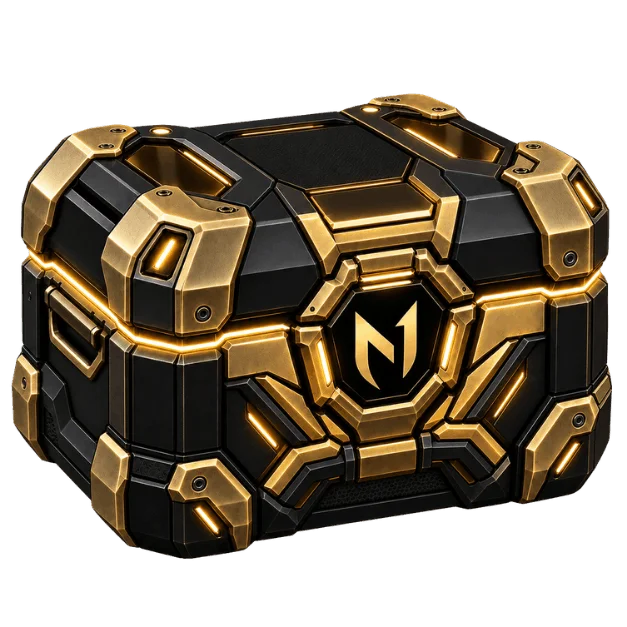
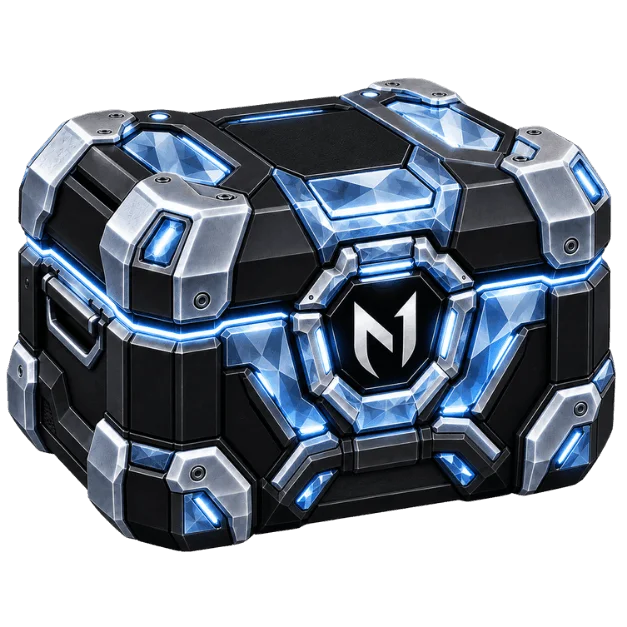
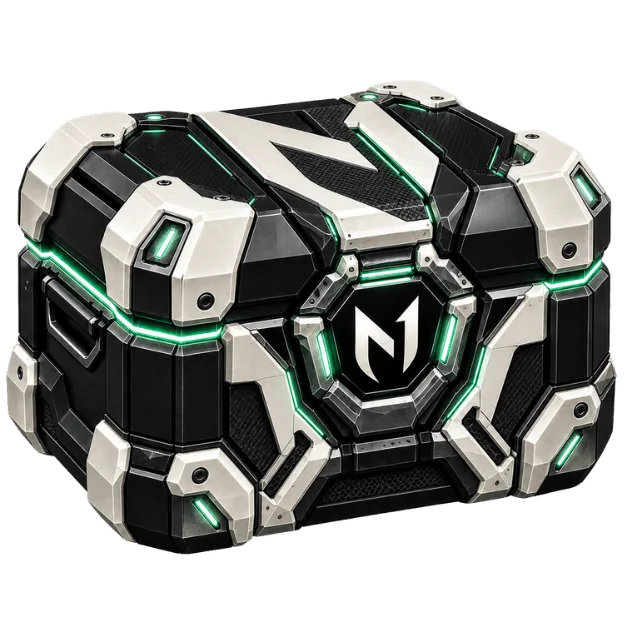
Open a box, win real rewards
Spend N1 Coins to open a box and win coins, checkout discounts, or a free coaching/boost service.
Read the Rules Before You Need Them
The most useful marketplace information is often not on the listing itself. Check the rules around payments, delivery, cancellations, support, and disputes before placing an order. You want to know where to go if the delivered details do not match the listing or if you cannot access what was described.
Read the wording carefully. A policy may distinguish between an order that has not been delivered and an issue that appears after credentials have been transferred. Those are different situations. If the process is unclear, contact support with a specific question before you buy.
Keep your own record of the listing description and any messages related to the account. This is not about assuming the worst. It is basic order hygiene. If there is a mismatch, clear records make it easier to explain the issue without relying on memory.
Protect Your Personal Information
Buying a game account should not require you to share more personal data than is necessary for the transaction. Use the marketplace's normal checkout and support channels. Do not send payment details, personal identity documents, or unrelated account credentials directly to a seller through outside apps.
After receiving account access, follow the platform's stated process for confirming delivery or reporting a problem. Do not rush through that step because you are eager to queue. Verify the details that influenced your purchase first: the game, region, rank or level, competitive access, and the important inventory items listed.
Be realistic about recovery risk as well. An account's original ownership history can create uncertainty that a buyer cannot fully control. That is one reason account marketplaces should be approached more carefully than a normal digital purchase.
Consider Whether an Account Is the Right Route
An account marketplace is not always the best answer to a ranked problem. If you want to climb on your existing profile, a boost, duo queue service, or coaching may fit better because you keep your own account history and cosmetics. Each option has different risks and rules, and boosting is also against most games' terms of service.
The practical question is simple: do you need a different account, or do you need better results on the account you already play? Buying an account may make sense when its region, unlocks, or starting point are the specific goal. Coaching makes more sense when you want to improve decision-making, mechanics, and consistency. A boost can fit players who want progress on their current account but understand the limits involved.
N1Boost lists game accounts from independent sellers alongside its game services, so the same principle applies: read what is offered, understand the process, and choose the option that matches your actual goal.
The best purchase decision is usually the least exciting one. Pick the listing with the details you can verify, the account features you will use, and rules you understand before checkout. Then you can spend less time sorting out surprises and more time deciding whether the account belongs in your next queue.
Ready to climb?
Pick a service, set your options and get matched with a verified booster. Secure checkout and 24/7 support.
- VPN and offline mode
- Verified boosters
- 24/7 support