Ranked Game Practice Plan for Faster Climbing
Build a ranked game practice plan that turns limited queue time into cleaner decisions, stronger mechanics, better mental control, and steady Elo progress.

In this article6 sections
A ranked game practice plan should not feel like a second job. If you have two hours after work, classes, or scrims, spending 90 minutes rage-queueing and 30 minutes watching random clips is not practice. It is volume without direction. The goal is to enter ranked with one clear focus, recognize the mistakes that cost you games, and leave each session with evidence that you are getting harder to beat.
The fastest climbers are not always the players with the most games played. They make their available games count. They know their role, understand the win condition, and stop treating every loss as proof that matchmaking is broken. Teammates can absolutely be inconsistent. Your practice plan still needs to target the decisions, mechanics, and mental habits you control.
Start Your Ranked Game Practice Plan With a Real Baseline
Before adding aim drills, matchup guides, or a new agent pool, identify where your rank is actually leaking. Review your last 10 ranked games and write down the same three things after each match: your role or character, the moment the game shifted, and the mistake you made more than once.
Keep the answers specific. “Bad team” gives you nothing to train. “I took first contact without utility in four CS2 rounds,” “I wasted Valorant flash cooldowns before the execute,” or “I kept fighting for wave control with no jungle information in League” creates a useful target.
Look for patterns in four areas: mechanics, decision-making, game knowledge, and mental control. Mechanics include aim, movement, combos, farming, recoil control, and ability execution. Decision-making covers positioning, rotations, target priority, tempo, and when to disengage. Game knowledge means maps, matchups, economy, timers, team compositions, and power spikes. Mental control is your response to mistakes, losses, pressure, and teammate frustration.
You do not need to fix all four at once. In fact, trying to fix everything usually means fixing nothing. Pick one primary weakness for the next week and one secondary habit that supports it. A Valorant player might train crosshair placement as the main focus while using a strict no-autopilot comms rule. A League player could focus on recalling on tempo while committing to checking the minimap before every trade.
Build Sessions Around Your Actual Queue Time
A strong plan changes based on how much time you have. A player with 45 minutes should not copy the routine of someone who can play all evening. Short sessions require tighter preparation and a lower tolerance for tilted queueing.
The 60-Minute Session
Use 10 minutes for a warm-up that matches your game. For tactical shooters, work on movement, crosshair placement, recoil, and a small amount of focused aim. For MOBAs, use the time to review a matchup, practice a clear or last-hitting sequence, and check your rune, build, or draft plan. For games such as Apex Legends or Marvel Rivals, rehearse movement, tracking, ability timing, and the map-specific fights that repeatedly catch you out.
Then play one ranked match with a single performance goal. Do not make “win” the goal. Choose something you can execute regardless of your teammates, such as surviving the opening phase, calling rotations early, preserving cooldowns for objective fights, or tracking the enemy economy.
Spend the final five minutes reviewing one key sequence. You are not producing a full VOD breakdown. Just answer: what was my best decision, what was my most expensive mistake, and what will I repeat or change next game?
The 90- to 120-Minute Session
With more time, play two or three ranked games, but add a reset between them. Stand up, get water, and review the previous game for five minutes before requeueing. That gap protects you from carrying the emotion of a loss into the next lobby.
Set a stop-loss rule before you start. For many players, two losses in a row is enough to pause ranked for the day, especially if frustration is affecting communication or decision-making. If you are playing well and losing close games, you may continue after a reset. If you are slamming keys, forcing plays, or blaming every teammate, your session is already over even if you keep queuing.
Train the Skill That Decides Your Rank
Practice needs to be game-specific, but the principle stays the same: train the highest-impact skill first. Aim matters in Valorant and CS2, yet aim alone will not repair bad spacing, reckless peeks, or weak utility use. In League of Legends, better mechanics help, but lane fundamentals and objective timing often decide more games than a flashy outplay. In team-based hero games, clean ult economy and positioning can create more wins than raw damage numbers.
For shooters, split practice between mechanical consistency and round quality. Mechanical work might mean 15 focused minutes on first-bullet accuracy and target switching. Round quality means reviewing whether you died with utility, gave away a man advantage, rotated too early, or took a fight your team did not need. If your aim is average but your decisions are clean, you can still climb fast.
For MOBAs, use a narrow champion pool until your fundamentals stabilize. Switching characters every loss creates excuses and slows learning. Choose two or three picks that cover your preferred role, learn their lane plans, and understand what your team needs from you in a losing, even, or winning game state. Your target is not a perfect KDA. It is reliable gold, vision, tempo, and objective contribution.
For battle royale and arena titles, review your deaths by category. Were you caught rotating, isolated from your squad, late to reset, or out of position during a third party? Aiming harder at the same problem will not solve a rotation error. Build a rule for it, such as rotating before the zone forces you, holding line-of-sight with at least one teammate, or resetting immediately after a lost trade.
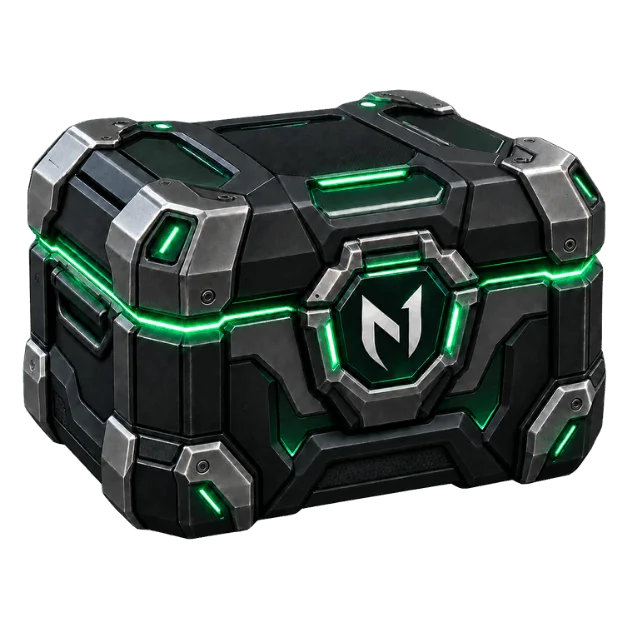
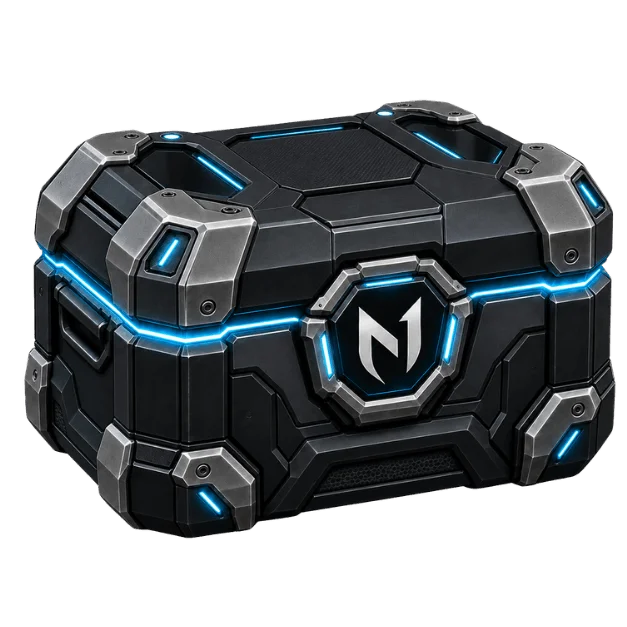
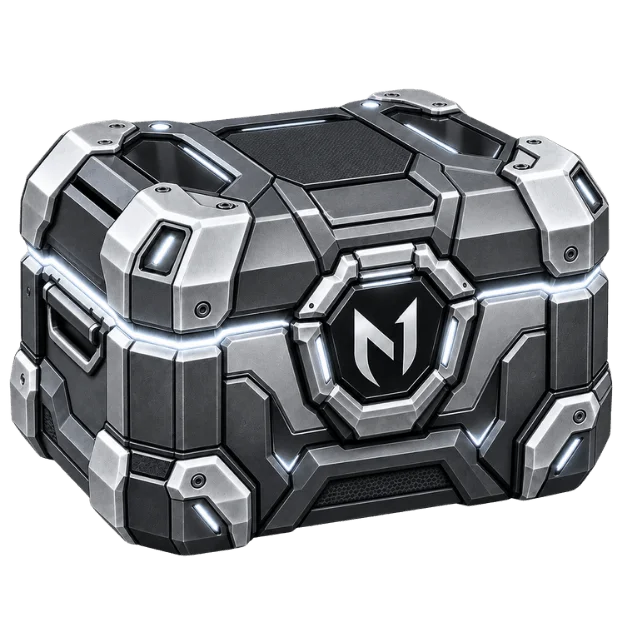
Reward boxes
Open a box, win real rewards
Spend N1 Coins to open a box and win coins, checkout discounts, or a free coaching/boost service.




Use Review Without Turning It Into Homework
VOD review works when it is short and ruthless. Watch losses first, preferably the moments immediately before a death, lost objective, surrendered round, or failed retake. Pause before the outcome and ask what information was available. Then ask what a higher-ranked player would likely prioritize.
Do not review every game in full. One or two matches per week is enough for most players. The best review sessions identify repeatable errors, not one-off misplays. Maybe you are regularly late to fights because you farm one extra camp. Maybe you burn defensive utility to win a low-value duel. Maybe you stop communicating after the first bad round. Those habits are worth more than analyzing a single unlucky headshot.
Keep a simple scorecard after each session. Track your primary focus, whether you executed it, your mental state, and one clip or timestamp worth revisiting. After a week, the scorecard tells you whether the plan is working even when the rank badge moves slowly. Elo can swing. Better habits compound.
Queue With Purpose, Not Emotion
Ranked is a performance environment, not a place to prove you deserve respect from strangers. Mute early if a teammate is abusive. Keep comms short, useful, and forward-looking. “Two top, no flash, play site” helps. Arguing about a missed play from three rounds ago does not.
Duo queue can make practice more consistent when your partner has compatible goals. The right duo communicates clearly, plays a role that complements yours, and reviews mistakes without turning every loss into a debate. The wrong duo turns your session into emotional doubles. If you duo queue, agree on the focus before the first match and use the same stop-loss rule.
There is also a point where self-review reaches its limit. A qualified coach can spot blind spots in your VOD, rebuild a weak routine, and give you role-specific corrections that generic advice misses. At N1Boost, personalized coaching can add structure through one-on-one sessions, VOD feedback, Discord Q&A, and a climb plan built around your game and available time.
Make the Plan Sustainable for Four Weeks
Run one focus for a full week before judging it. Your results may dip briefly when you consciously change a habit, because deliberate play feels slower than autopilot. That is normal. The goal is to make the new decision automatic before adding another major focus.
At the end of each week, compare your scorecard with your match history. Are you dying less in the same situations? Are your early rounds cleaner? Are you arriving at objectives on time? Did you follow your stop-loss rule? Rank is the visible result, but these are the signals that show whether your practice is producing a stronger player.
Treat every queue as a chance to collect proof, not just LP, RR, or Elo. When your routine is focused enough to survive a bad teammate, a tough matchup, or one frustrating loss, climbing stops being a gamble and starts becoming the expected outcome.
Ready to climb?
Pick a service, set your options and get matched with a verified booster. Secure checkout and 24/7 support.
- VPN and offline mode
- Verified boosters
- 24/7 support