
Rank Progression and the Climb That Sticks
Rank progression explained: learn how MMR, consistency, champion pools, review, coaching, and realistic goals shape a stronger climb in ranked games today.
In this article7 sections
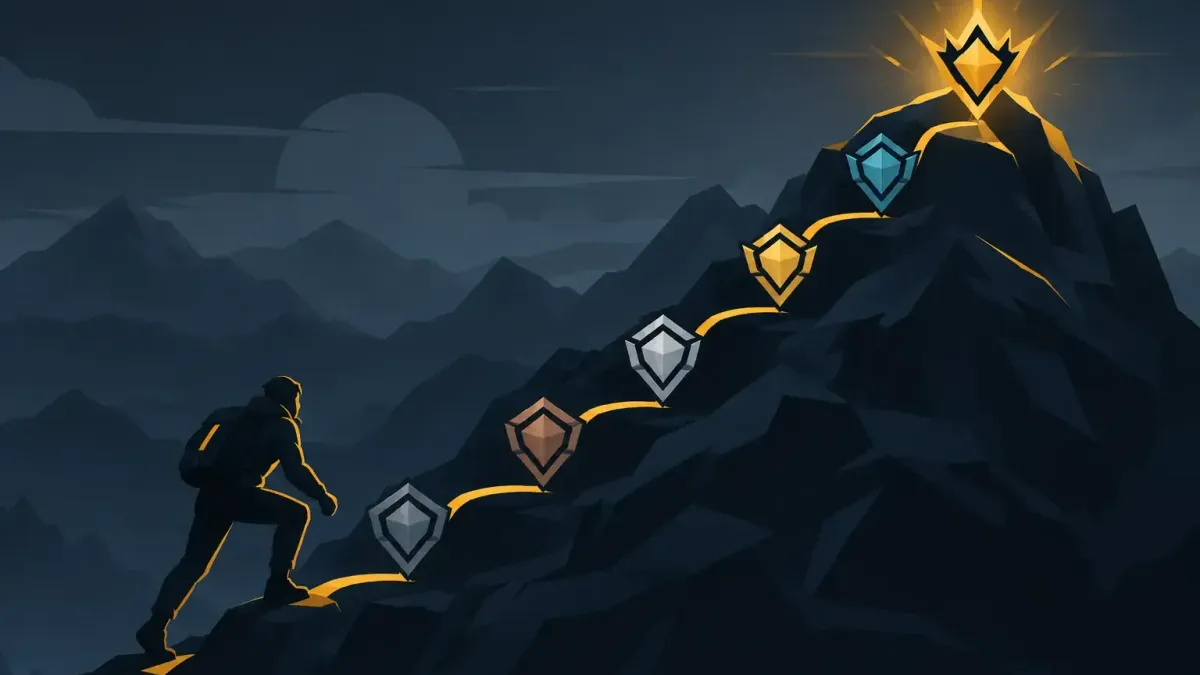
A rank icon is the visible part of rank progression. The harder part is building results that hold when the lobby gets tougher, teammates change, and a bad queue session tests your discipline. Whether you play League of Legends, Valorant, CS2, TFT, Apex Legends, Fortnite, or another competitive title, a lasting climb comes from repeatable decisions, not one unusually good night.
That sounds obvious, but it changes how you approach every game. A player focused only on the next division often forces plays, queues while tilted, and switches strategies after one loss. A player focused on progression looks for the few habits that create wins over dozens of matches.
What Rank Progression Actually Measures
Rank is a matchmaking label, not a complete report card. Most ranked systems also use a hidden rating or matchmaking value to estimate where you belong. That is why two players in the same visible rank can gain or lose different amounts after a match, or face opponents with slightly different badges.
Your short-term rank can move quickly. Your underlying level usually moves more slowly because it is based on a larger sample of games. A win streak may push you into a new division, but staying there requires you to perform at that level often enough. The same is true after placements. Placements matter, but they do not define an entire season.
This is useful because it gives losses context. One bad match does not prove that your climb is over. It may show a mechanical mistake, a poor map plan, a bad draft, or simply a game that got away from your team. The question is whether the same problem appears again and again.
Build a Goal You Can Control
“Reach Diamond” or “hit Ascendant” is a clear outcome, but it is not fully in your control match to match. A better goal connects the rank you want with actions you can repeat.
For a League player, that might mean playing a limited champion pool, tracking deaths before major objectives, and reviewing the first ten minutes after losses. For Valorant or CS2, it could mean practicing one or two core maps, keeping comms short, and reviewing every round where you died with utility unused. In TFT, it may mean recognizing when to play for a stable top-four instead of forcing a high-roll board.
The right target depends on your game and your current weakness. If your aim is holding you back, more theory will not replace focused practice. If your mechanics are solid but you constantly take low-value fights, another hour in an aim trainer may not be the answer. Be specific about what is losing you games.
Keep Your Competitive Pool Small
A narrow pool is not boring. It removes decisions that do not help you improve. Learning every agent, champion, legend, or loadout at once makes it harder to tell whether a loss came from your execution or from unfamiliarity.
Choose picks that fit your role and that you can play through favorable and unfavorable matchups. You do not need one comfort pick forever. You do need enough repetition to understand your damage, timing, win conditions, and common mistakes without thinking through each one from scratch.
This matters even more when you have limited time. A player with six hours per week gets more value from deliberate games on familiar picks than from experimenting in ranked every other match.
Stop Turning Every Loss Into a Marathon
Long queue sessions create a common problem: players keep playing after their decision-making has already dropped. The first signs are usually easy to spot. You start blaming teammates before reviewing your own choices, rush the next queue to win points back, or make plays because you are frustrated rather than because they are good.
Set a simple stop rule before you queue. It can be two losses with clear tilt, a fixed number of games, or the point where you no longer feel focused. The rule is not about avoiding losses. It protects the quality of your next decisions.
Also separate review from self-criticism. After a loss, identify one or two moments that changed the game. Maybe you overextended before an objective, gave away an early pick, wasted an ultimate, or ignored information on the map. Write the pattern down if it repeats. “My team was bad” gives you nothing to fix. “I died with no trade because I pushed without vision” gives you a useful next-game adjustment.
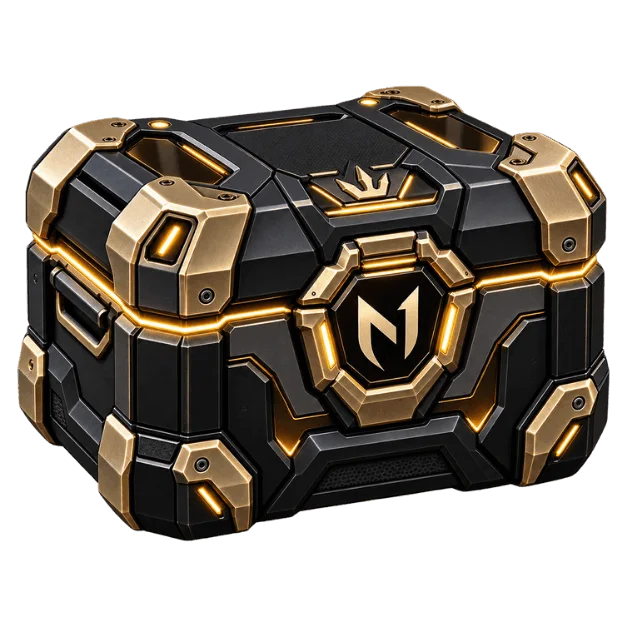
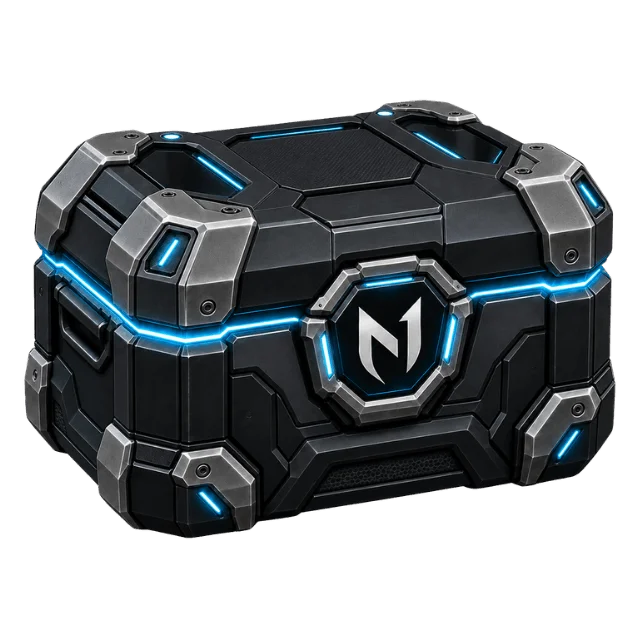
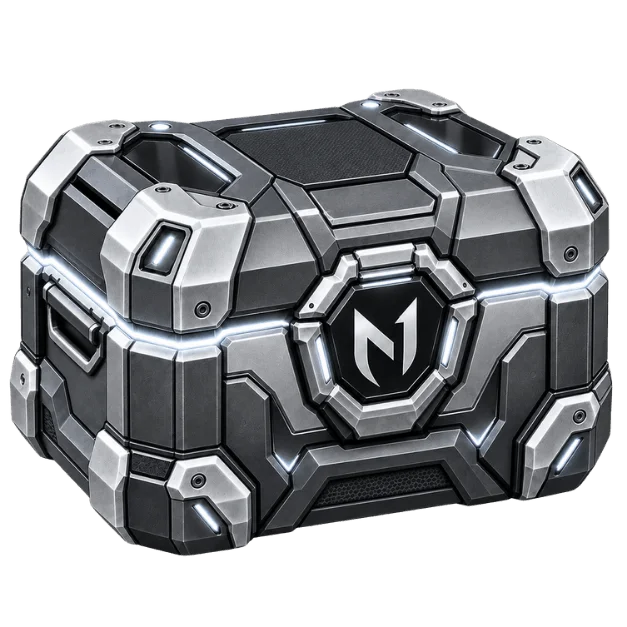
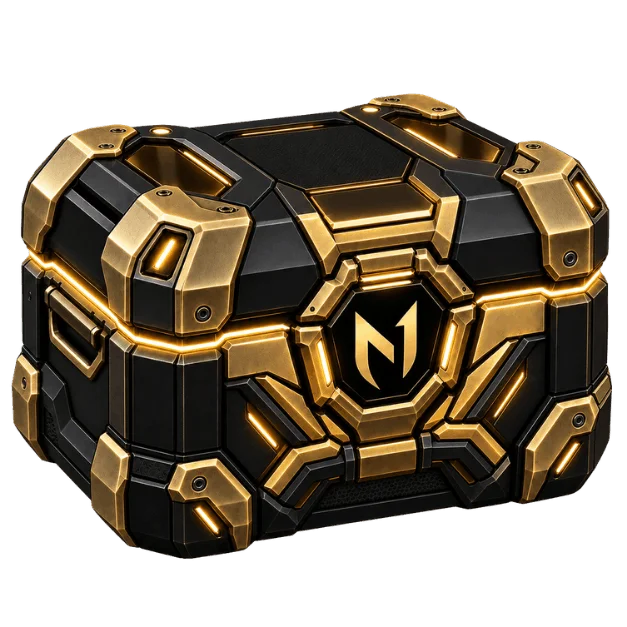
Reward boxes
Open a box, win real rewards
Spend N1 Coins to open a box and win coins, checkout discounts, or a free coaching/boost service.

Play for the Win Condition, Not the Highlight
Most players know their game’s basics. The difference in rank progression often appears in when those basics are applied. Players throw leads by hunting kills with no objective available, split from the team at the wrong time, or take a risky duel when protecting a lead is the better play.
Before a key fight, ask what your team needs. In League or Wild Rift, that may be wave control, vision, and being present for an objective. In Valorant and CS2, it can be trading correctly, saving utility for the retake, or not giving the other side an early opening. In battle royale games, position and survival can be worth more than chasing a low-percentage elimination.
The trade-off is that disciplined play can feel less exciting. You will sometimes give up a fight because the timing is wrong. You will sometimes play for a clean second-place finish instead of a risky first. Those choices do not always look impressive in a clip, but they create more stable results.
Use Review Without Making It a Full-Time Job
You do not need to watch every match from start to finish. Short, focused review works better for most players. Look at the first major mistake, the most expensive death, or the round where momentum changed. Then compare what happened with what information was available at the time.
A good review asks practical questions: Did I have a better option? What signal did I miss? Was my plan reasonable, even if the result was bad? This last question matters. Not every correct decision wins. If you judge only by the outcome, you may replace a sound habit with a worse one after a single unlucky game.
Keep a small list of current focus points. More than three usually becomes noise. Once one habit becomes automatic, replace it with the next issue. This is slower than trying to repair everything at once, but it is much more likely to stick.
When Duo Queue, Coaching, or Boosting Fits
Solo queue gives you the clearest view of your own consistency, but it is not the only way to approach a climb. Duo queue can help if you and your partner communicate well, have compatible roles, and avoid turning every call into an argument. A duo is not automatically better if one player is far less consistent or both players tilt together.
Coaching is useful when you cannot identify why you are stuck. A structured session, VOD feedback, a practice routine, and a clear climb plan can shorten the trial-and-error phase. It still requires you to apply the feedback in your own matches. Coaching is improvement work, not a rank shortcut.
Some players choose a boosting service because they are short on time, want help reaching a specific target, or prefer to watch how an experienced player approaches their account. If you consider it, be realistic about the limits. Boosting is against most games’ terms of service, and no method is risk-free.
Check how the provider handles account access, communication, and progress before you buy. N1Boost, for example, uses ID-verified players who play by hand, and solo orders can be handled through the N1App so the booster does not see your login. Customers can follow the order in chat, and options such as Offline Chat and VPN may be available. That does not remove the terms-of-service risk, but it does clarify how the order is managed.
Make the New Rank Sustainable
The goal is not only to touch a new rank. It is to understand the pace, punish windows, and expectations at that level well enough that you belong there. When you reach a milestone, keep playing your normal process for a while instead of immediately experimenting with unfamiliar picks or queuing tired to chase the next badge.
A drop after promotion is not automatically failure. It may be part of adjusting to stronger opponents. Review the games, tighten the habits that got you there, and give yourself enough matches to settle. Rank progression lasts when your decisions improve before your badge does - and keep improving after it changes.
Ready to climb?
Pick a service, set your options and get matched with a verified booster. Secure checkout and 24/7 support.
- VPN and offline mode
- Verified boosters
- 24/7 support