Teamfight Tactics Coaching Service That Builds Wins
A Teamfight Tactics coaching service gives clear VOD feedback, stronger lines, and a climb plan built for your time, rank, and goals for real results.
In this article6 sections
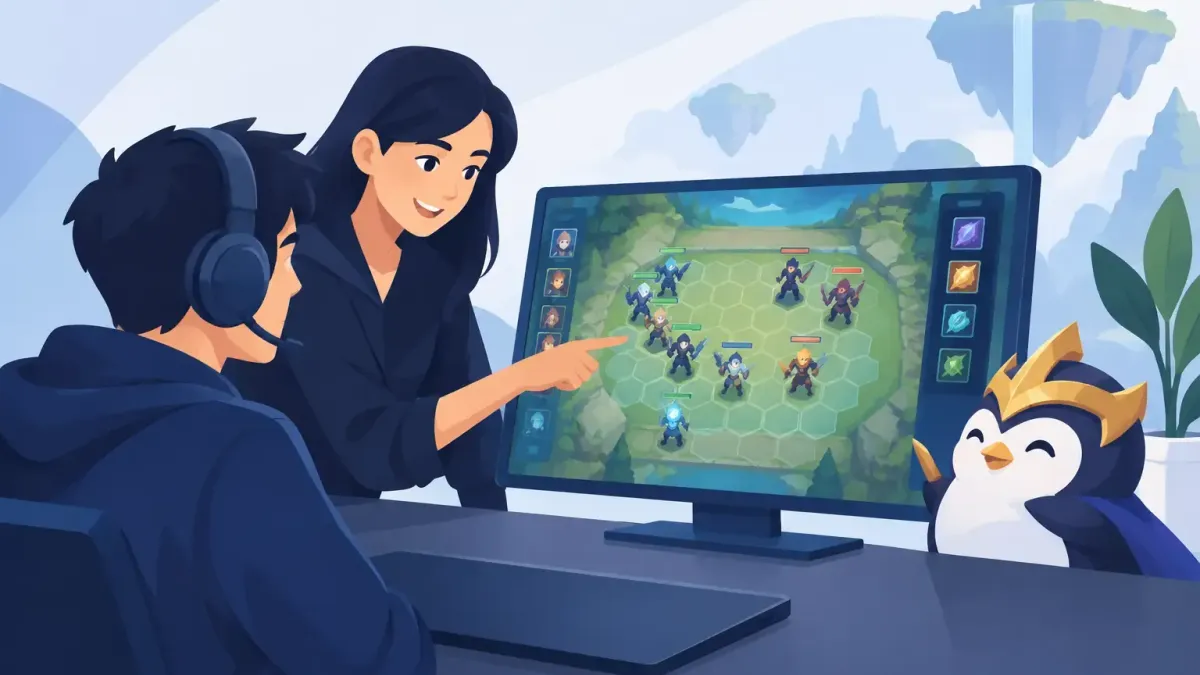
You hit Level 8, roll 40 gold, and somehow end up with a board that loses to a player who looked weaker two rounds ago. That is the kind of spot where a Teamfight Tactics coaching service earns its value. TFT is not only about knowing which comp has the highest cap. It is about recognizing your position before the lobby forces a decision, then converting gold, items, HP, augments, and shop odds into a playable line.
A strong coach does not just tell you to force the current S-tier composition. They show you why your early board was weak, whether you should have leveled, when to stop rolling, and which outs were actually available. The goal is fewer games where you feel like the result was decided by luck and more games where your decisions hold up across different starts.
What a Teamfight Tactics Coaching Service Should Fix
Most players do not stay stuck because they have never watched a tier list video. They stay stuck because they know the right concepts in isolation but cannot apply them quickly during a real game. You may understand that slamming items preserves HP, for example, yet still hold components too long waiting for a perfect carry. Or you may know your comp wants a Level 8 rolldown, but arrive there with too little health to stabilize.
Personal coaching turns those recurring mistakes into specific adjustments. A session can expose whether your issue is economy, tempo, item flexibility, scouting, positioning, comp transitions, or simply playing too many lines at once. That distinction matters. A player losing games from weak Stage 2 boards needs a different solution than a player who reaches late game consistently but throws top-four placements with poor endgame positioning.
The best feedback is direct and tied to your own decisions. Instead of hearing that a board was "bad," you should know what made it bad at that moment: the units you passed, the pair you broke, the item you greedily held, or the roll-down timing that left you without a stable frontline.
Coaching Is More Than a Comp List
A patch can change the strongest compositions overnight. Fundamentals travel much farther. When you learn how to identify a strong opener, calculate whether you can afford to level, and choose a direction based on your items and shops, you are less dependent on copying a single guide.
That does not mean meta knowledge is irrelevant. It absolutely matters, especially when a set is new or a balance patch shifts the power of traits, units, and augments. But meta knowledge tells you what is possible. Coaching teaches you which of those options fits your game.
For example, suppose you have AD components, an early two-star frontline, and an augment that rewards aggressive leveling. A coach can explain why pivoting toward an AP line just because you hit one early unit is often a trap. On the other hand, if your shops hand you a natural carry pair and a strong emblem, forcing a standard item-based route may leave equity on the table. Good TFT is controlled adaptation, not blind commitment.
The decisions that usually create the biggest LP swings
Players often focus on final boards because they are easy to compare after a game. The biggest LP swings usually happen earlier. An unnecessary loss streak break, a failed augment choice, or five extra gold spent searching for a minor upgrade can change your entire Stage 4.
A useful coach reviews the decision points with the highest leverage: carousel choices, augment selections, Level 6 and Level 7 timing, item slams, loss-streak management, and when to push for a cap instead of chasing a three-star unit. These are repeatable skills. Fix them, and your average placement becomes more reliable even when you do not high roll.
What to Expect From a Productive Session
A coaching session should have a clear format, not vague motivational talk. Start with your current rank, your target rank, and the pattern behind your recent games. If you are hovering around Emerald, the work may center on cleaner tempo and consistent top-four play. If you are already near Masters, the focus may shift toward lobby reads, cap decisions, and playing for first without converting good spots into eighths.
VOD review is one of the fastest ways to find leaks. A coach can pause at the exact round where you chose an augment, held items, or committed to a line and ask the question that matters: what information did you have, and what was the strongest decision with that information? That approach is better than judging every call using information that only appeared later.
Live sessions add a different advantage. You make decisions under the real time pressure of scouting, rolling, and positioning. Your coach can call out overlooked options, but the best sessions still require you to explain your thinking. If you cannot articulate why you leveled or rolled, the habit is probably not stable yet.
Afterward, you should leave with a short practice plan. It might be as simple as committing to item slams in your next ten games, scouting every player before choosing a late augment, or reviewing one Stage 3 board after each match. A focused routine beats trying to repair every weakness at once.
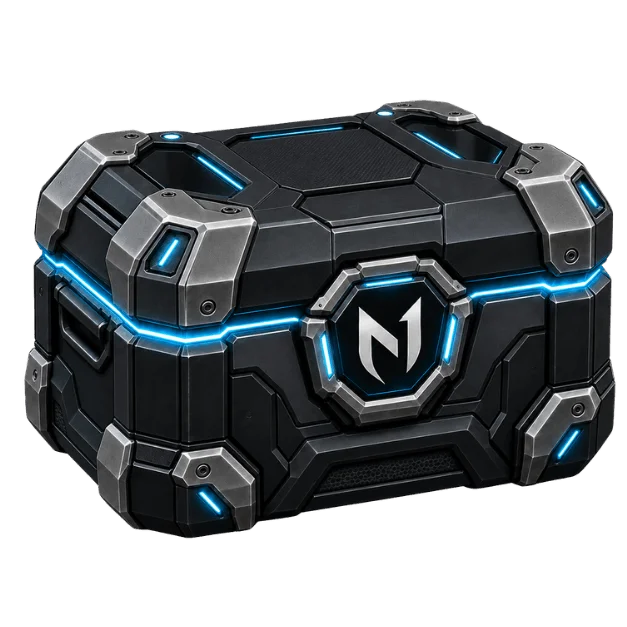
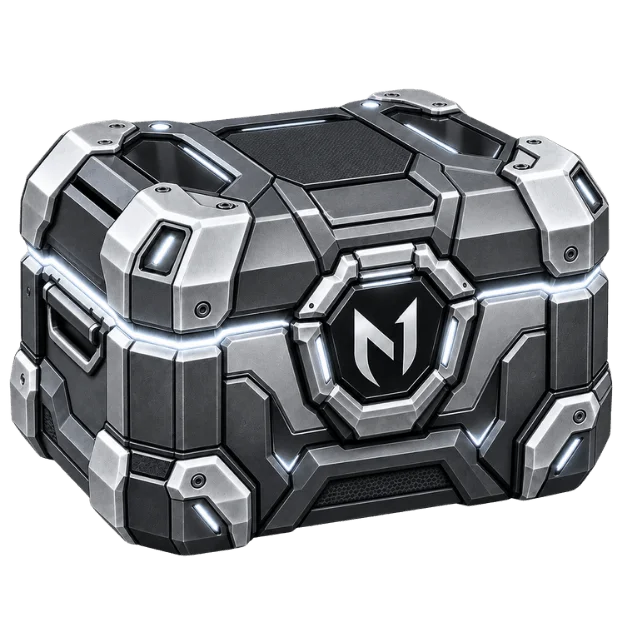
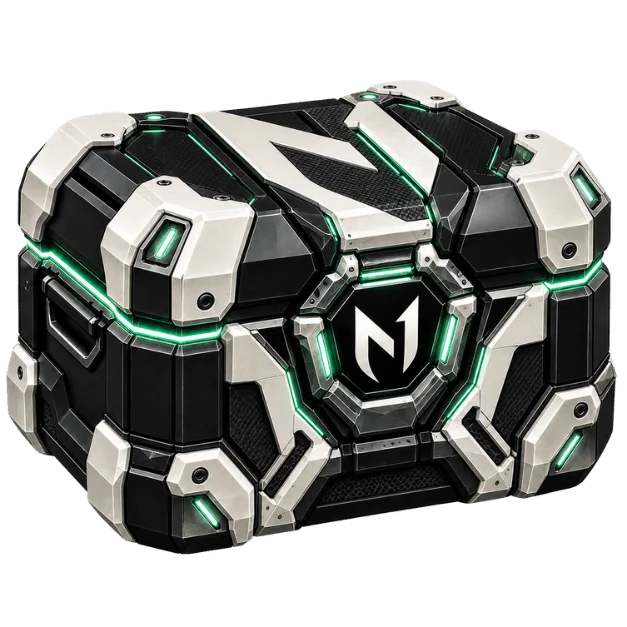
Reward boxes
Open a box, win real rewards
Spend N1 Coins to open a box and win coins, checkout discounts, or a free coaching/boost service.



Choose Coaching That Matches Your Goal
Not every player needs the same service. Someone learning the set from scratch may benefit most from a fundamentals session that covers economy, leveling patterns, and basic item logic. A player one division away from a personal best may need targeted VOD feedback on repeated mistakes. An aspiring competitive player may want deeper work on tournament formats, adaptation, and lobby-specific risk management.
Be honest about the result you want. Coaching is the right route when you want to understand the climb and build skills you can use in future sets. If your priority is direct progression because time is limited, a separate rank-focused service may be a better fit. There is no reason to buy education when you need a different outcome, or to expect a single session to replace deliberate practice.
At N1Boost, the value of personalized coaching comes from matching players with verified talent while keeping the process simple: choose the service, complete secure checkout, communicate your goals, and use the feedback to play sharper games. Clear expectations make the session more useful for both you and the coach.
How to Get More From Your Coach
Bring evidence, not just frustration. A match history can show a pattern, but a VOD or a few screenshots of your boards, augments, and final placements gives a coach much more to work with. Include games you think were unlucky and games you know you misplayed. The first category often reveals hidden mistakes; the second reveals whether you already understand the fix.
Before the session, identify one or two questions you want answered. Maybe you constantly bleed out while trying to fast eight. Maybe your boards look strong but lose in overtime. Maybe you cannot tell whether to play for a top four or take a risk for first. Specific questions create specific feedback.
During the session, avoid treating every recommendation as a rule. TFT has too many variables for that. If a coach tells you to slam an item in a particular spot, ask what made the slam correct: HP, board strength, lobby tempo, remaining components, or available carries. Understanding the reason helps you recognize the next version of that spot on your own.
Progress Is Measured Over Games, Not One Match
A coaching session can improve your decisions immediately, but your rank may not move in a straight line. Variance is real. Sometimes you execute a correct line and still finish low because of contested units, awkward item drops, or a high-roll lobby. The relevant question is whether your choices are producing more stable placements over a meaningful sample of games.
Track the habits your coach assigned, not only LP. Did you stop sitting on a completed item? Did you preserve more HP in Stage 3? Did you scout before your key positioning rounds? Those gains are visible before the rank badge changes, and they are what make the badge change stick.
The next time a lobby gives you an awkward opener and no obvious comp, do not look for a miracle shop. Look for the strongest next decision. That is where better TFT starts, and it is the skill a good coach helps you repeat when the game gets messy.
Ready to climb in Teamfight Tactics?
Pick a service, set your options and get matched with a verified booster. Secure checkout and 24/7 support.


- VPN and offline mode
- Verified boosters
- 24/7 support