
How a Gaming Affiliate Program Pays Creators
Learn how a gaming affiliate program pays, what to promote, and how creators can build trust, track conversions, and earn from competitive players reliably.
In this article7 sections
- What a Gaming Affiliate Program Actually Does
- Why Competitive Gaming Audiences Convert Differently
- Choose Offers Your Audience Will Recognize
- Build Content That Earns the Click
- Track the Numbers That Tell You What Works
- Protect Your Reputation With Clear Disclosure
- Turn One Referral Into a Long-Term Channel
Ranked players do not need another generic discount code in their feed. They need a clear answer to a real problem: how to finish placements, recover from a rough Elo slide, reach a reward cutoff, or get coaching that actually improves their next session. A gaming affiliate program gives creators a way to recommend services around those moments and earn when their audience becomes a customer.
For streamers, Discord community owners, YouTube creators, and social accounts built around competitive games, affiliate revenue can be more practical than chasing sponsorships. You do not need a massive audience. You need the right audience, credible recommendations, and content that matches the pressure players feel when rank is on the line.
What a Gaming Affiliate Program Actually Does
An affiliate program connects a gaming service provider with creators who can introduce that provider to relevant players. The affiliate receives a unique tracking method, usually a link or code, and earns a commission when a referred customer completes an eligible purchase.
In the progression-services space, those purchases may include rank boosting, placement completion, duo queue, win progression, one-on-one coaching, VOD reviews, or game-account marketplace orders. The exact offerings matter because competitive players buy outcomes, not vague promises. A Valorant player trying to push out of Ascendant has different priorities than a League player preparing for ranked placements or a CS2 player frustrated by Premier rating swings.
The value is straightforward. The provider handles checkout, customer support, order matching, privacy procedures, and fulfillment. The creator focuses on earning attention and trust. When the fit is right, the audience gets access to a service that saves time or provides expert guidance, while the affiliate has a measurable revenue channel tied to relevant content.
Why Competitive Gaming Audiences Convert Differently
Gaming audiences are not all equally valuable for affiliate campaigns. A broad entertainment page may generate views, but a smaller channel focused on ranked improvement often produces more intent. Players who regularly discuss MMR, role queues, placement games, meta shifts, and climbing plans already understand the cost of lost time in competitive matchmaking.
That does not mean every frustrated player is a good fit for boosting or coaching. Some want to improve mechanically and should be pointed toward personalized coaching. Others are short on time, want rewards before a season ends, or need help completing a progression target. Strong affiliates explain the difference instead of treating every service as interchangeable.
Trust is especially important because customers are purchasing services connected to valuable game accounts. Your audience will look for practical signals: verified players or coaches, secure payment handling, clear order configuration, progress updates, responsive support, and privacy-conscious processes. If you cannot explain how a service operates, it is difficult to recommend it with confidence.
Choose Offers Your Audience Will Recognize
The fastest way to make affiliate content feel forced is to promote every game and every product equally. Start with the title your audience already plays. A creator known for Valorant ranked content should lead with Valorant placements, rank progression, duo services, or coaching. A League creator can speak more naturally about Elo, role-specific coaching, season rewards, and climbing through difficult divisions.
Use your own content patterns as a filter. If your highest-performing videos cover aim routines, review coaching. If your chat constantly complains about solo queue teammates and rank decay, discuss the available progression paths. If your community includes busy working players, a time-saving service may be more relevant than another long-form improvement guide.
There is a trade-off here. Direct progression services can have a clear purchase intent, but audiences may have questions about privacy, timing, and account handling. Coaching can feel easier to present as an educational option, but it may appeal to a narrower group that is ready to put in practice time. Good affiliate strategy does not hide those differences. It matches each offer to the player’s goal.
Promote the outcome, not a vague sales pitch
Specificity makes recommendations useful. Instead of telling viewers to “check out a gaming service,” frame the situation they already recognize. A player may want help getting through placements before a limited-time reward ends. Another may want a coach to identify why they keep losing late rounds. Someone else may need a duo carry option because their available playtime is limited to a few sessions each week.
Keep the language grounded. Do not guarantee a rank, a deadline, or a competitive result you cannot verify. Explain what the customer can configure, what support they can expect, and why the service fits the problem. This approach protects your credibility and produces better-qualified referrals.
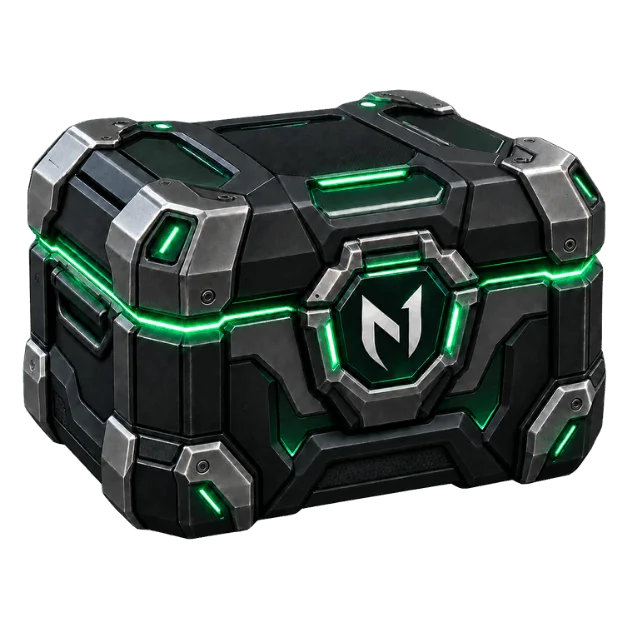
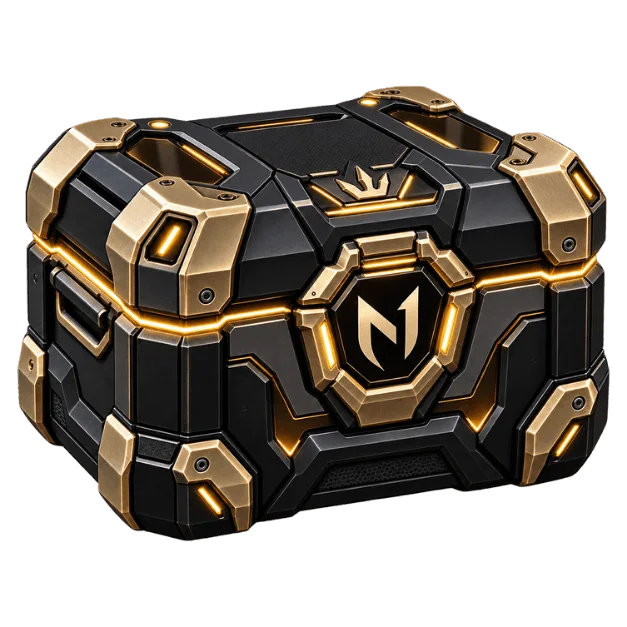
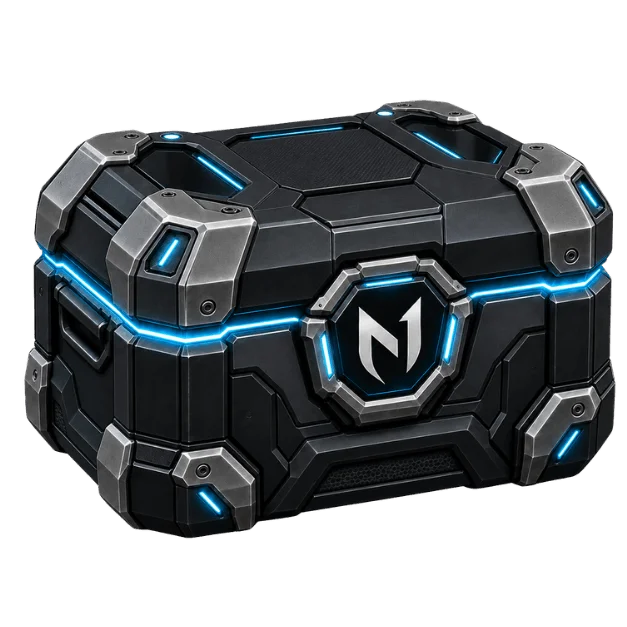
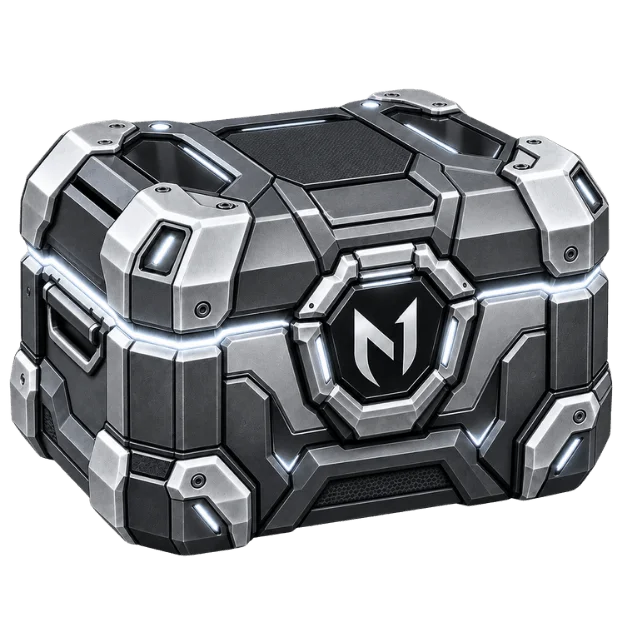
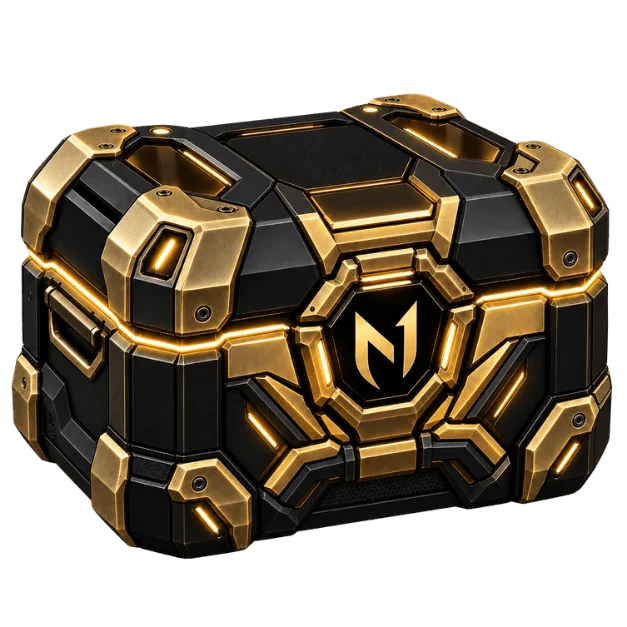
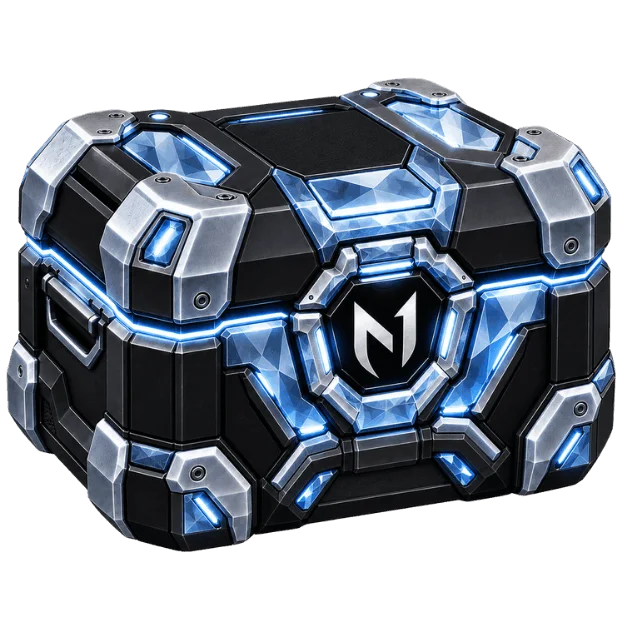
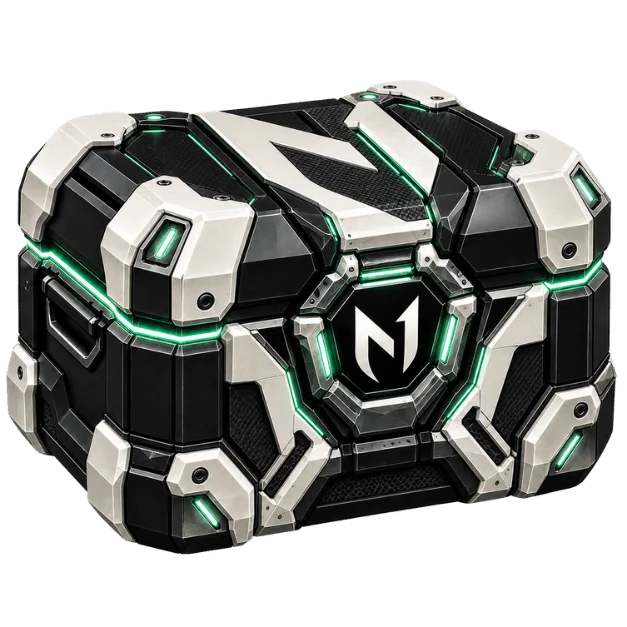
Reward boxes
Open a box, win real rewards
Spend N1 Coins to open a box and win coins, checkout discounts, or a free coaching/boost service.
Build Content That Earns the Click
The best affiliate placements usually sit inside content that already delivers value. A stream can include a short, natural mention when viewers ask how to handle a ranked wall. A YouTube video about escaping a specific division can separate the self-improvement route from the faster progression route. A Discord server can maintain a clearly labeled resource channel for trusted services, current offers, and community questions.
Short-form content can work too, especially when it starts with a familiar competitive pain point. Think of the player who has one weekend left to finish placements, the teammate who is tired of wasting a limited evening on chaotic queues, or the aspiring competitor who needs targeted VOD feedback rather than another generic tip video.
Avoid dropping a tracking code with no context. Explain why you would use the service, who it is best for, and what an order experience looks like. If you have direct experience, share it honestly. If you do not, do not imply that you do. Your audience can spot borrowed enthusiasm quickly.
For creators who want a steady cadence, rotate content across four useful angles:
- Ranked pain points, such as placement pressure, bad streaks, end-of-season targets, or role-specific struggles.
- Educational content that introduces coaching, VOD review, practice routines, and climb plans.
- Service walkthroughs that explain order options, progress tracking, support, and privacy handling.
- Community-led moments, including Q&A sessions, rank-goal check-ins, and discussions about the current competitive season.
This mix prevents your channel from turning into a permanent advertisement while keeping the offer visible when purchase intent is high.
Track the Numbers That Tell You What Works
Clicks alone are not the goal. A post can earn plenty of clicks because it promises a discount, then send unqualified visitors who never complete checkout. The numbers that matter are qualified traffic, completed orders, conversion rate, average order value, commission earned, and repeat customer behavior when available.
Compare performance by game, content format, and audience source. A tutorial video may drive fewer clicks than a viral clip but produce more coaching orders. A Discord announcement may convert well because members already trust the community. A Twitch mention may work best during a ranked grind, when viewers are actively thinking about their own climb.
Give each format enough time before judging it. Competitive games have seasonal cycles, patches, tournaments, and reward deadlines that can change demand. A campaign around placements may spike at the beginning of a season, while coaching content can perform consistently throughout the year. Adjust based on data, but do not abandon a relevant offer after one slow post.
Protect Your Reputation With Clear Disclosure
Affiliate marketing works only when the audience knows what is happening. State that you may earn a commission when someone uses your code or tracking method. Keep the disclosure close to the recommendation, not buried in a profile page or hidden under a wall of hashtags.
You should also avoid claims that create unnecessary risk. Do not present services as endorsed by a game publisher unless that is explicitly true. Do not promise instant delivery, guaranteed rank results, or zero account risk when those terms are outside your control. Be transparent about what you are recommending and encourage viewers to review the service details before ordering.
A reliable operator makes this easier. N1Boost, for example, gives competitive players a marketplace path for progression, coaching, and account-related services while emphasizing verified talent, secure checkout, live order tracking, and support. Those operational details give an affiliate something real to discuss beyond a coupon code.
Turn One Referral Into a Long-Term Channel
The strongest affiliate relationships are built on relevance, not volume. Learn the moments when your community needs help, recommend the right route for the goal, and pay attention to the questions that come back after an order. Those questions can become your next video, stream topic, or Discord resource.
Your recommendation should feel like good team communication: timely, specific, and useful under pressure. When players trust that you understand their rank goals and respect their time, the conversion is not a hard sell. It is the natural next move.
Ready to climb in Valorant?
Pick a service, set your options and get matched with a verified booster. Secure checkout and 24/7 support.
 Valorant Rank Boost
 Valorant Duo Boost
 Valorant Net Win Boost
 Valorant Placements Boost
 Valorant Unrated Boost
 Valorant Coaching
- VPN and offline mode
- Verified boosters
- 24/7 support