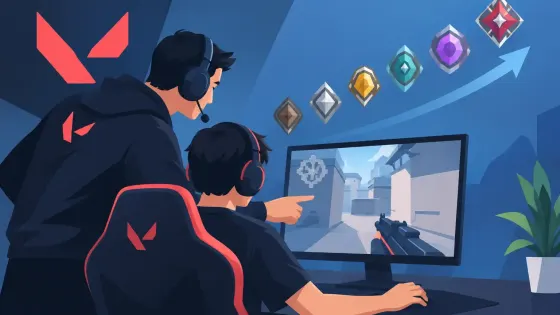

Competitive Coaching for Faster Rank Gains
Competitive coaching gives ranked players focused VOD reviews, drills, and climb plans to fix mistakes, improve decisions, and make every session count.

In this article6 sections
You do not need another vague reminder to “play smarter.” You need to know why you lost the last two rounds, missed the timing window on an objective, or threw a lead your team had already earned. Competitive coaching turns those frustrating ranked moments into specific fixes you can repeat in your next queue.
For players who care about Elo, division badges, Premier standings, placements, or reaching the next reward threshold, coaching is not just about getting better eventually. It is about making limited playtime produce visible progress. A strong coach identifies the mistakes that cost you the most games, builds a realistic improvement plan, and gives you a clearer process than random solo queue trial and error.
What Competitive Coaching Actually Delivers
The best coaching is personal, not generic. A coach should look at your current rank, main role or agent pool, game mode, available schedule, and goal. A Bronze Valorant player trying to stabilize their crosshair placement needs something very different from a Diamond League player who keeps losing mid-game macro decisions.
A useful session normally begins with evidence. That can be a live game, a recorded VOD, match history, a demo review, or a conversation about recurring losses. From there, the coach separates symptoms from causes. “My teammates never communicate” may be real sometimes, but it does not explain whether you are rotating late, taking low-percentage fights, burning cooldowns without a trade plan, or entering objectives with poor setup.
Quality competitive coaching should give you actionable feedback in areas such as mechanics, decision-making, positioning, tempo, communication, and mental discipline. More importantly, it should prioritize. Trying to rebuild every part of your game at once is a fast way to change nothing.
A productive plan might focus on two or three high-impact habits for the week. In Counter-Strike 2, that could mean cleaner utility before site entries, better trade spacing, and fewer unnecessary repeeks. In Teamfight Tactics, it may mean stronger economy discipline, clearer tempo decisions, and recognizing when your board can no longer greed for a perfect capped composition.
Why Players Plateau in Ranked Games
Most rank plateaus are not caused by one impossible skill gap. They come from repeated decisions that feel normal because no one has challenged them. You may have decent aim but make the same opening death every defensive half. You may understand League of Legends lane matchups but fail to convert priority into vision, objective control, or a clean reset.
Ranked systems also create noisy feedback. You can play poorly and still win because a teammate carries. You can make several correct decisions and lose because a match gets decided by one disconnect, a bad draft, or a teammate tilt. Over a small sample, results alone are not a reliable teacher.
That is where a coach adds value. They can review the game beneath the scoreboard and point out patterns across multiple matches. Instead of blaming matchmaking after every loss, you get a direct answer to a better question: what part of this game was in my control, and what should I do differently next time?
This does not mean coaching promises an instant rank jump. Your climb still depends on execution, game volume, current skill level, patch changes, and how consistently you practice. But it can remove months of unfocused grinding by showing you which habits are worth your attention first.
How to Choose the Right Competitive Coaching Format
The right format depends on your goal and how you learn. One-on-one live coaching works well if you need immediate feedback during matches and want to discuss decisions in real time. It is especially useful for games where tempo changes quickly, such as Valorant, Apex Legends, or Marvel Rivals.
VOD review is often the better value for players who already have recorded matches and want deeper analysis without scheduling a full live session. A coach can pause critical rounds, compare your options, and explain why a play looked good in the moment but failed under pressure. The strongest VOD reviews do not only tell you what happened. They give you a decision rule you can use later.
Discord Q&A and follow-up support can help between sessions, particularly when you are testing a new routine or adjusting your champion, agent, or legend pool. That said, ongoing chat access is not a replacement for structured review. If every answer is “just play more,” you are not receiving much coaching value.
Before booking, be honest about the outcome you want. Are you trying to fix a specific weakness, prepare for placements, learn a new role, or build a plan to climb over the next month? A clear target helps the coach focus the session and helps you judge whether the service delivered.
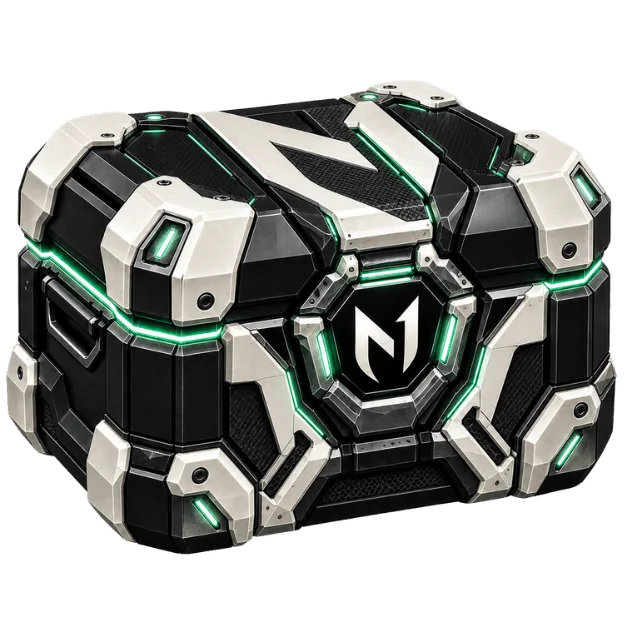
Reward boxes
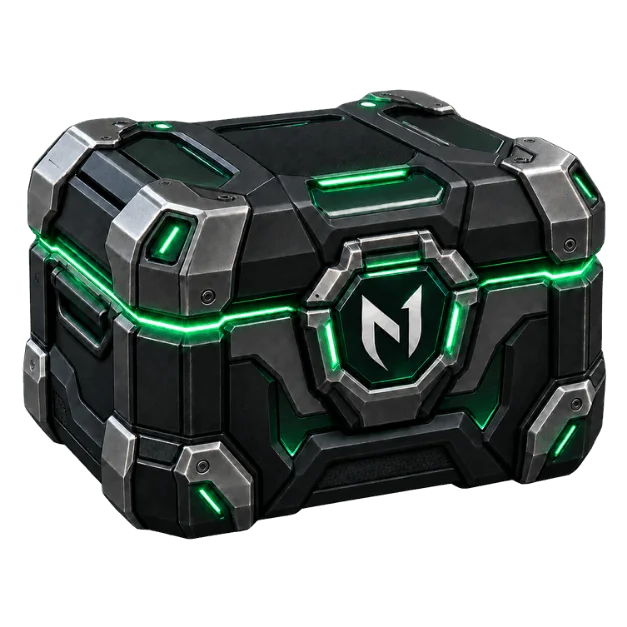
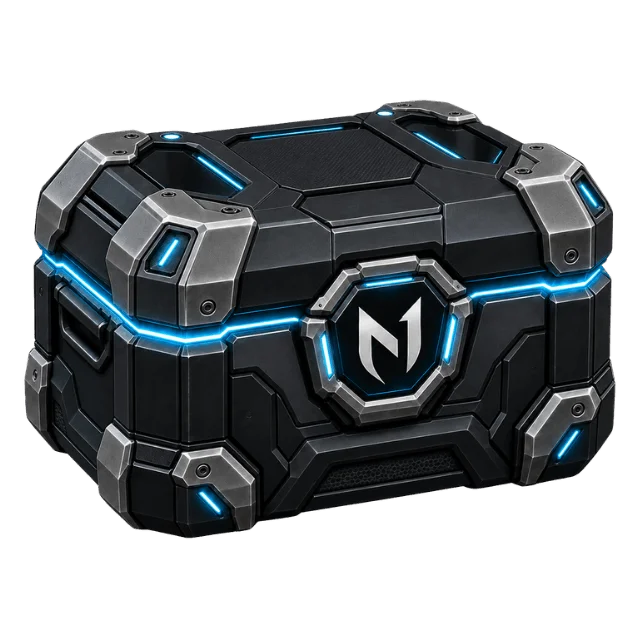
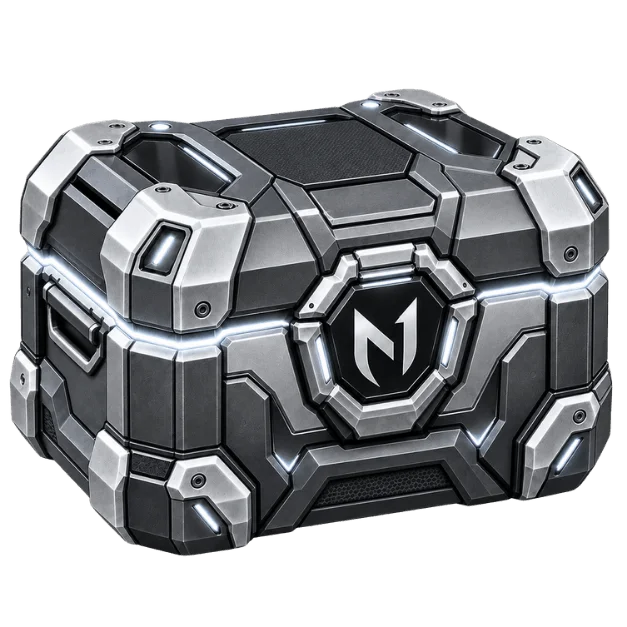
Open a box, win real rewards
Spend N1 Coins to open a box and win coins, checkout discounts, or a free coaching/boost service.



Get More From Every Coaching Session
Show up with material. Save two or three recent losses, ideally ones where you were unsure what went wrong. Include one win if you want to understand whether you succeeded because of sound decisions or because the enemy gave you free openings. A coach can do more with real gameplay than a broad description of your rank frustrations.
Ask direct questions. Instead of saying, “How do I get out of Gold?” ask, “When I have lane priority, what should I be doing before the first objective?” or “Which fights should I avoid taking when our ultimate economy is weak?” Specific questions produce specific answers.
Take notes during or immediately after the session. Keep them short enough to use while you play. A single page with three pre-game checks, three in-game priorities, and one post-game review question is more useful than ten pages of advice you never revisit.
Then create a practice block. If your coach identifies poor crosshair placement, do not expect the habit to disappear after hearing about it once. Spend time in a controlled environment, then play a small set of ranked games with that one focus. Review whether you followed the process, not only whether you won.
For example, a Valorant player working on attack-side trading might measure whether they stayed close enough to convert a teammate’s first contact. A League player practicing reset timing might check whether they backed with purpose before major map pressure. These are controllable behaviors. Rank movement follows more reliably when your core decisions improve.
Coaching Versus Boosting: Different Paths, Different Results
Coaching and boosting can both support a rank-focused player, but they solve different problems. Coaching builds your understanding and execution. It is the stronger option when you want to perform more confidently at your target rank, compete with friends, prepare for tryouts, or stop repeating the same mistakes after a season reset.
Boosting, duo queue progression, placement completion, and carry services are built for a different need: reaching a rank or completing a progression goal when time is limited. A student during finals, a working player with a short season window, or someone who needs help finishing placements may value the speed and convenience of professional progression support.
There is a trade-off. A higher visible rank does not automatically create higher-level habits. If your goal is long-term consistency, pair progression goals with coaching or a practice plan. If your main goal is a specific reward, division milestone, or account objective, a managed service may better fit the moment. The right choice depends on whether you need skill development, faster completion, or both.
With N1Boost, players can choose coaching when they want direct instruction and structured feedback, then use clear service options and live order tracking when they need a more outcome-focused progression path. In either case, verified talent, privacy-conscious handling, secure checkout, and responsive support matter because competitive accounts and time are not casual investments.
What Progress Should Look Like After Coaching
Do not judge a coaching session only by whether you gain 200 Elo the next weekend. Early progress often shows up first in cleaner choices: fewer panic rotations, better cooldown use, more disciplined economy management, stronger pre-round plans, or fewer deaths that leave your team in an unwinnable position.
After several sessions or a focused practice cycle, those improvements should become visible in your results. You may climb faster, but you should also understand why you are winning more. That matters when the meta changes, you hit a tougher rank bracket, or a losing streak tests your confidence.
The best next step is simple: bring one recent game you cannot explain, identify the moment that decided it, and get feedback you can test in your very next match.
Ready to climb in Valorant?
Pick a service, set your options and get matched with a verified booster. Secure checkout and 24/7 support.
 Valorant Rank Boost
 Valorant Duo Boost
 Valorant Net Win Boost
 Valorant Placements Boost
 Valorant Unrated Boost
 Valorant Coaching
- VPN and offline mode
- Verified boosters
- 24/7 support