
What Is L9?
What Is L9? People in the League of Legends world have heard about the infamous L9 club. This article tells you what you need to know about it, includ...
In this article8 sections
If you spend time in League of Legends chat, on social media or in stream comments, you have probably seen "L9" used as a joke, as a tag or as an insult. It refers to a loose group of high-ranked European players who became well known online. This article explains what the term means in the community, how it spread, and how to handle the kind of behavior it is often linked with. We focus on what is widely reported and avoid claims about any person that we cannot verify.
What L9 Means
L9 is community slang. It is not an official Riot Games term, a team name or a registered organization. In League of Legends culture it became shorthand for a certain style: very high-level players who play ranked with loud personalities, run jokes in chat and are known for emotional reactions when a game goes badly. Different communities describe the origin of the name differently, and we could not confirm a single authoritative explanation, so we do not state one here.
How the Name Spread
According to community accounts, the name grew through social media, especially Twitter and later streams and clips. A few things helped it spread:
- Short, funny clips. Reactions and chat jokes from ranked games are easy to share, and they travel quickly outside the game.
- Memes and in-jokes. Typing patterns, short phrases and repeated jokes made the name recognizable even to people who never watched the players.
- Imitation. Players who wanted to look similar added "L9" to their own tags or started their own copies. That is why you will see the label used by people who have no connection to the original group.
Because the story passed through chat rooms and clip channels, details differ from source to source. Treat any exact timeline that you read online, including ours, as community lore.
Names Commonly Associated With the Group
Community retellings usually mention four players: RatIRL, Ap0calypse, Selfmade and 0bsess. These are public gaming names, and the following is the kind of information that is widely known:
- RatIRL is a streamer who has built a large audience on Twitch and is often the face of the L9 jokes.
- Ap0calypse is known as a strong ranked player who is often described as keeping a lower public profile.
- Selfmade is a professional jungler who played in Europe's top league. He was on Fnatic's roster in 2020.
- 0bsess is a player who moved from solo queue into professional play.
We do not describe any of these players' character. Whether someone is "toxic" or not is an opinion, and public reputation changes over time. For current information about what they are doing now, check their official channels instead of relying on older articles, including ours.
Why the Term Matters to Ordinary Players
You do not need to know the history to meet its effects. The L9 label became part of a larger conversation about attitude in ranked play. Players who see high-level streamers react angrily can start to treat that behavior as normal, and joking with the label in your own games can make a lobby harder for teammates. If you use it as a name tag, expect other players to assume you are mocking them.
Riot's behavior systems apply to everyone regardless of rank. Chat restrictions, ranked restrictions and suspensions exist for abusive chat, intentional feeding and leaving matches. If you want details on what counts, read the current behavior policy on Riot's support site.
Reward boxes
Open a box, win real rewards
Spend N1 Coins to open a box and win coins, checkout discounts, or a free coaching/boost service.
How to Handle Toxic Behavior in Your Own Games
- Mute early. You can mute a player from the scoreboard or use the chat command to mute all players for the whole game. Muting costs nothing and keeps your focus on the game.
- Report after the game. The post-game report screen lets you choose categories such as verbal abuse or intentional feeding. A report is more useful when it describes the behavior accurately.
- Avoid arguing. Replying in anger usually makes a bad game worse and may lead to your own chat penalties.
- Play for the next objective. If the game is still winnable, call out simple goals like the next Dragon timer or a lane to push. Our explanation of epic monsters helps you plan these goals.
- Take a break after a hard game. If you feel tilted, leaving the queue for ten minutes is better than starting another match with the same mood.
- Review the game later. Check whether the game was lost to a single teammate or to a series of small mistakes, including your own.
Mental Side of Ranked
High-level players still tilt. The visible difference between top players and everyone else is often how fast they reset after a bad game. Our article on ranked anxiety and how pro players handle pressure gives practical habits that you can adopt at any rank. If you are climbing and want to understand why your LP gains swing, read our guide to how MMR works.
Learning From Streamers Without Copying Their Habits
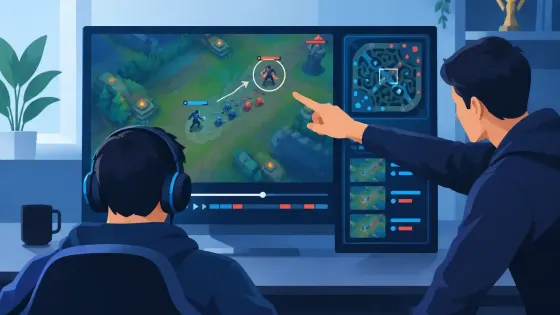
Watching top players can teach you a lot about wave management, trading and map awareness. It can also teach you habits that do not help, such as arguing in chat. A good approach is to watch with a specific question in mind, for example how a jungler paths after first clear, and ignore the drama. If you want a more direct form of feedback, our LoL coaching service lets an experienced player review your games and point to the habits that hold you back.
Summary
L9 is community slang for a group of well-known European players and the humor around them. Its exact origin is told in different ways, the group is not an official organization, and the label is often copied by people with no connection to it. The practical lessons for your own ranked games are to mute early, report accurately, avoid arguing in chat and focus on the next objective.
Ready to climb in League of Legends?
Pick a service, set your options and get matched with a verified booster. Secure checkout and 24/7 support.


- VPN and offline mode
- Verified boosters
- 24/7 support